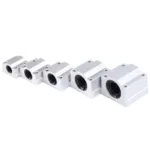
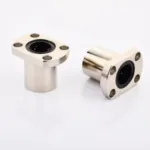

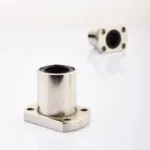


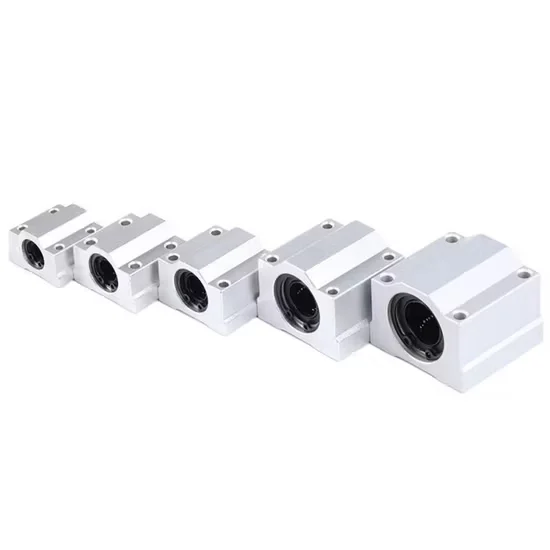
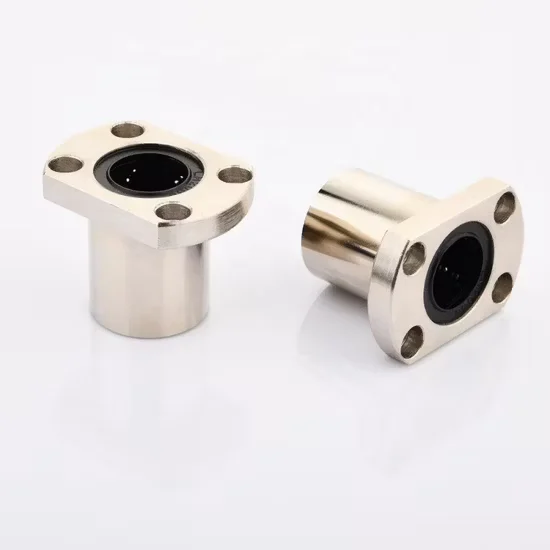
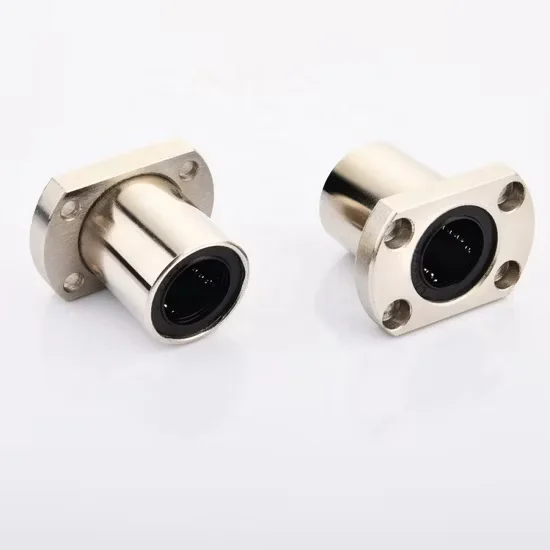


Lm6uu Lm8uu Lm12uu Lm16uu Lm20uu Lm25uu Linear Ball Bearing Shaft 25mm [WARN] draft identifier mismatch
Lm6uu Linear Ball Bearing — engineered with versatile steel, copper, or nylon cage options and HRC 60-64 hardness to deliver precise, reliable linear motion for demanding CNC machining parts and industrial automation equipment.
- Verify product authenticity and batch traceability instantly by scanning the official app QR code provided on each shipping package.
Original Packaging
Factory sealed
Batch Traceability
Per-piece tracking
Pre-Ship Inspection
Photo & video proof
12-Month Warranty
Quality guaranteed
Technical Specifications
| Bore Diameter (d) | 25 mm |
|---|---|
| Bearing Type | Linear Bearing |
| Condition | New -- Original Packaging |
Need this bearing?
Get a verified quotation
Pricing, stock photos & batch codes — reply within 24 hours.
- Original packaging & batch codes
- Photo & video before shipment
- Mixed-brand orders welcome
Product Description
Full Batch Traceability — Every Lm6uu unit ships with original manufacturer lot documentation for complete supply chain visibility.
Technical Specifications
| Parameter | Value |
|---|---|
| Designation | Lm6uu |
| Product Type | Linear Ball Bearing |
| Brand Availability | OZD, KOYO, NTN, NSK |
| Hardness | HRC 60-64 |
| Cage Material | Available in steel, copper, or nylon cage variants |
| Origin | Shandong, China |
Application Suitability
| Industry | Typical Applications |
|---|---|
| CNC Machining | CNC router linear guide systems |
| Automation | Automated assembly line transfer mechanisms |
| 3D Printing | Precision print head movement axes |
Preventing Premature Failure in Your OZD KOYO NTN NSK Lm6uu linear ball bearing Setup
Contaminant exclusion through proper sealing dictates service life far more than dynamic load ratings in dusty environments.
I learned this the hard way at a European woodworking expo after seeing LM20UU units fail in months because dust bypassed the seals and ruined the cage. When sourcing an OZD KOYO NTN NSK Lm6uu linear ball bearing for similar abrasive settings, ignoring the sealing interface leads to catastrophic downtime. Many maintenance engineers focus solely on load ratings while overlooking the microscopic gaps where particulate matter infiltrates the rolling elements. This oversight inevitably causes the balls to skid rather than roll, generating excessive friction heat and ultimately seizing the entire linear block.

Matching Linear Guide Components to CNC Routing Demands
CNC routers and automated assembly lines demand high rigidity and exceptionally smooth travel to maintain tight dimensional tolerances during continuous multi-axis operation. Selecting the right OZD KOYO NTN NSK Lm6uu linear ball bearing ensures the print head or cutting tool moves without micro-stutters that ruin surface finishes. Our technical team actively cross-references your specific guide shaft diameter and surface treatment to prevent the mismatched clearance issues that plague standard procurement channels. By validating these mating parameters upfront, we eliminate the axial play that compromises machining accuracy.
Overcoming Particulate Contamination and Friction Heat
Linear guides operating in woodworking, general manufacturing, or agricultural machinery face constant particulate exposure that easily penetrates standard open cages. High-speed traverse movements generate significant friction heat, which degrades standard grease and accelerates wear if the sealing lip drags excessively against the shaft. Choosing the correct seal type balances contaminant exclusion with acceptable friction thresholds, preventing the motor from overworking. Proper lubrication intervals and selecting the right grease viscosity further prevent the microscopic scoring that eventually seizes the rolling elements and destroys the precision shaft.
Decoding Cage Materials and Hardness Parameters
The HRC 60-64 hardness rating ensures the rolling elements and raceway resist brinelling under heavy static loads and shock impacts. Cage material options significantly alter operational behavior; steel cages handle higher temperatures and heavy loads, while nylon variants reduce noise and weight for high-speed automation. Copper cages offer a middle ground with excellent thermal conductivity and friction reduction. Understanding these variants prevents the common mistake of installing a high-friction cage in a rapid-traverse application. Furthermore, verifying the exact shaft mating dimensions avoids the premature binding that occurs when tolerance stacks are ignored during assembly.

The Financial Impact of Mismatched Linear Components
Installing a linear bearing without verifying the shaft hardness or surface finish leads to rapid raceway wear and unplanned downtime. According to failure analysis frameworks like ISO 15243, surface fatigue and abrasive wear account for a significant share of premature linear guide failures. This mismatched pairing not only destroys the bearing but also scores the expensive precision shaft, resulting in catastrophic damage to the entire motion assembly. Replacing a scored shaft requires complete machine teardown, voiding warranties and causing severe production delays.
Securing Authentic Linear Motion Parts Globally
Sourcing genuine multi-brand components eliminates the risk of receiving counterfeit parts that fail unpredictably under load. We provide complete batch traceability for every unit, ensuring you receive authentic products from premium manufacturers. Our massive spot inventory allows us to consolidate mixed-brand orders, saving you from coordinating with multiple vendors for a single machine rebuild. We also offer cross-brand equivalent model consultation, helping you find exact replacements when specific OEM part numbers are discontinued. Finally, our global shipping consolidation ensures your maintenance spares arrive together, minimizing project delays and keeping your automation lines running.
Documentation & Authenticity
- Original batch traceability documents verifying the manufacturing lot for each linear guide unit.
- Material hardness inspection reports confirming HRC 60-64 compliance before dispatch.
- Dimensional verification certificates ensuring precise inner bore tolerances for smooth shaft mating.
- Certificate of Conformity validating authentic multi-brand sourcing channels.
Storage, Handling & Mounting
- Store units in original packaging to prevent dust ingress before the protective seals are exposed.
- Use clean lint-free gloves during installation to avoid transferring skin oils to the precision raceway.
- Align the bearing carefully onto the shaft to prevent damaging the delicate sealing lips.
- Apply recommended external lubrication if utilizing open-cage variants for high-speed CNC applications.
Preparing Your Technical Parameters for Selection
To ensure optimal performance, please share your specific radial and axial load requirements alongside operating speeds and ambient temperatures. Providing the exact guide shaft diameter and surface finish details allows our engineering team to verify clearance and L10 life calculations. Supplying your OEM equipment model numbers also helps us cross-reference the exact replacement specifications.
Frequently Asked Questions
Q: What does the UU suffix indicate in linear bearing designations?
A: The UU suffix typically denotes a specific sealing arrangement designed to exclude contaminants. However, since this is an unverified suffix requiring manufacturer catalog confirmation, we strongly recommend checking the official brand documentation to ensure the sealing lip design matches your specific dust exposure and friction requirements.
Q: How do steel, copper, and nylon cages differ in linear motion applications?
A: Steel cages tolerate higher operating temperatures and handle heavier loads without deforming. Nylon cages are noticeably lighter, reducing inertia and noise during high-speed traverse movements in automation equipment. Copper cages provide excellent thermal conductivity and lower friction, making them suitable for applications where heat dissipation is critical but loads remain moderate.
Q: How can I verify the authenticity of premium brand linear bearings?
A: Always request original batch traceability documentation and certificates of authenticity from your supplier. We provide complete lot tracking and manufacturer verification for every unit shipped. Additionally, inspecting the packaging quality, laser-etched part numbers, and accompanying material test reports helps confirm you have received genuine products rather than counterfeit alternatives.
Q: What information is needed to select the correct linear bearing replacement?
A: Please provide the exact guide shaft diameter, required load capacity, and operating speed. Sharing the environmental conditions, such as dust exposure or temperature extremes, helps us recommend the appropriate cage material and sealing configuration. If you have the original OEM equipment model number, our team can cross-reference it to ensure a perfect fit.
Inspection Records
- Dimensional measurement report
- Radial clearance verification
- Noise level check (Z-grade)
- Batch code & serial number log
Packaging Photos
- Sealed original box photos
- Label & marking close-ups
- Bearing surface detail shots
- Video walkthrough on request
Certificate of Origin
- Certificate of origin (CO)
- Commercial invoice & packing list
- Fumigation certificate (if required)
- Full export documentation set
All documents are prepared and sent for your review before shipment. You approve the inspection results before we ship. Additional testing or documentation can be arranged upon request.
How to Identify Genuine Bearings
Check the Packaging
Genuine bearings come in sealed, tamper-evident packaging with consistent print quality. Look for holographic seals, QR codes, and batch numbers that match the bearing markings.
Inspect the Markings
Genuine markings are laser-engraved with uniform depth and spacing. Counterfeit bearings often have uneven, shallow, or ink-printed markings that smudge or wear off easily.
Feel the Finish
Genuine bearings have a smooth, uniform surface finish. Rough grinding marks, uneven chamfers, or visible machining defects indicate poor-quality or counterfeit products.
Spin Test
When spun by hand, a genuine bearing rotates smoothly with minimal noise. Excessive vibration, rough spots, or grinding sounds suggest defective or refurbished products.
Common Counterfeit Warning Signs
- Price significantly below market average -- if it seems too good to be true, it usually is
- Packaging with spelling errors, blurry logos, or incorrect color tones
- Missing or non-verifiable batch codes and serial numbers
- Excessive or unusual grease -- used to mask surface defects
- Supplier unwilling to provide pre-shipment inspection or documentation
Free Authenticity Review
Already holding a bearing you doubt? Send us clear photos of the packaging, markings, and bearing surface. Our team will assess authenticity at no charge.
Send Photos for Review// same series
Related Products
 Linear Bearing
Genuine Lmf8luu Linear Bearing for 3D Printer CNC Machine Tool Low Noise
View details Linear Bearing
LM16UU Linear Bearing for 3D Printer and CNC Machining Parts
View details Linear Bearing
Square Guide Linear Ball Bearing for CNC Machinery and Machine Tools
View details Linear Bearing