


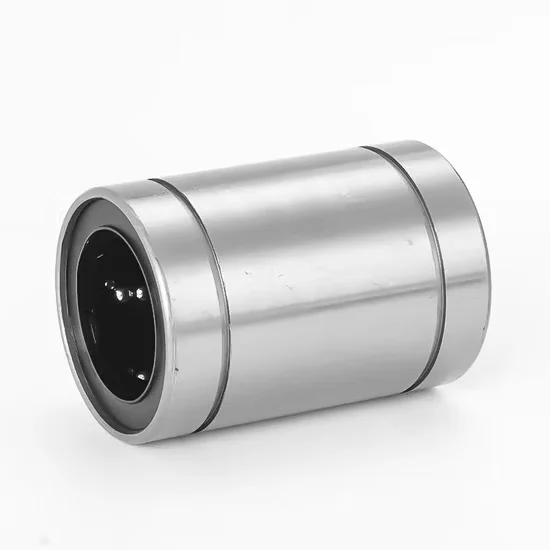
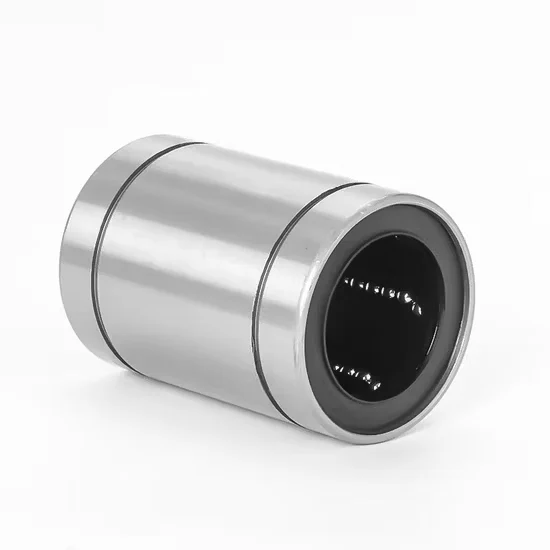
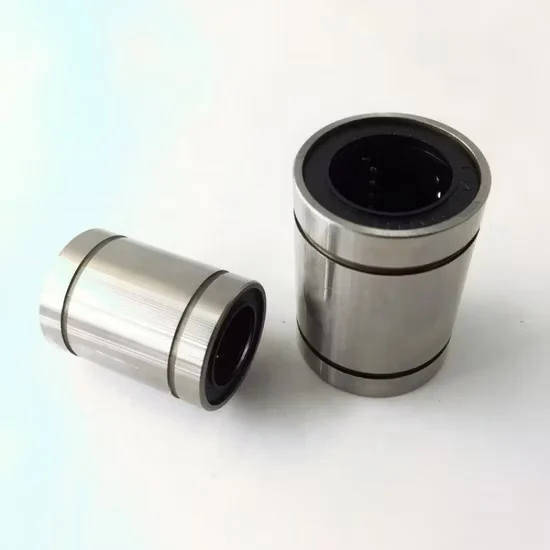
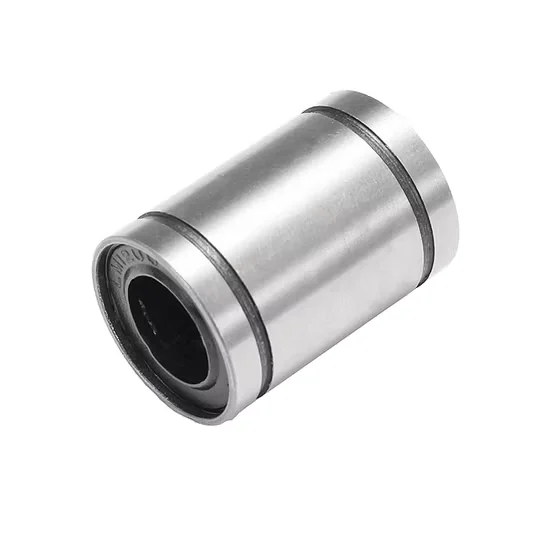
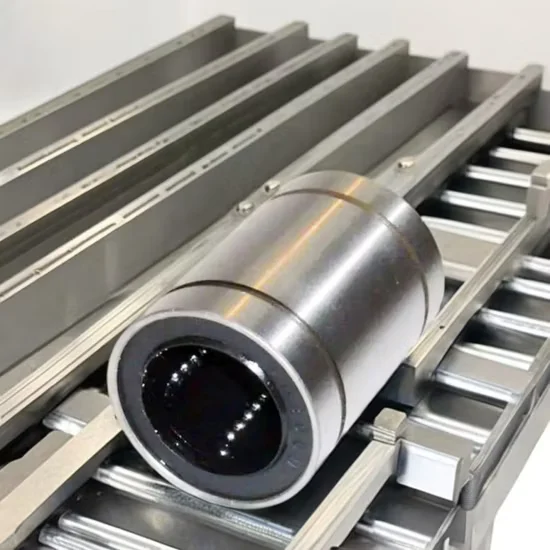

LM16UU Linear Bearing for 3D Printer and CNC Machining Parts
Lm16uu Linear Bearing delivers HRC 60-64 hardness to ensure reliable wear resistance during continuous linear motion cycles in automated equipment.
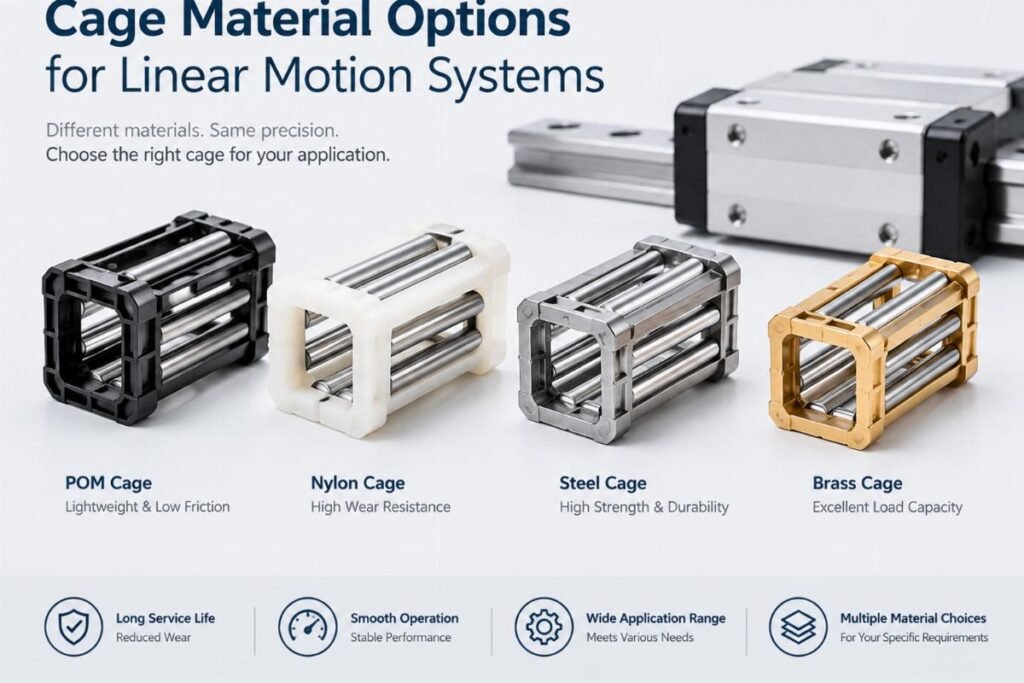
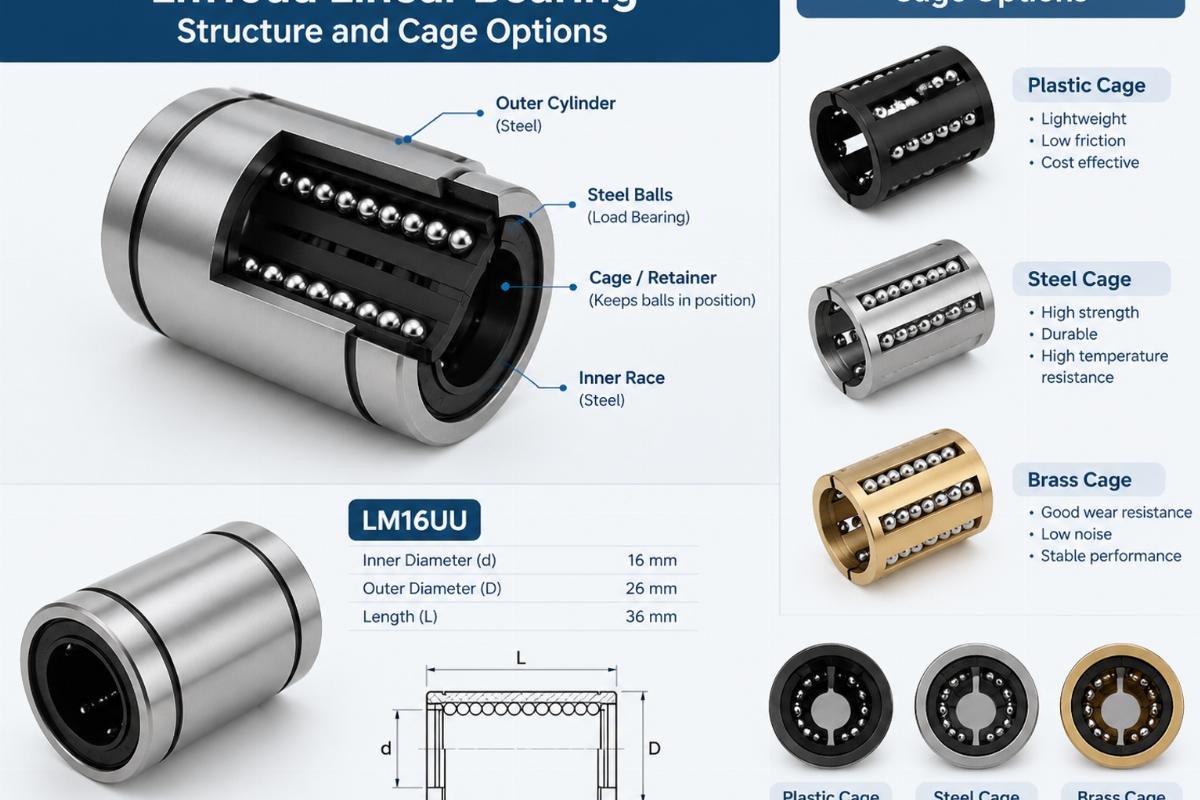
- Select from steel, copper, or nylon cage materials to accurately match diverse CNC machining and 3D printer operating conditions.
- Always verify cross-reference alignment for cage configuration, exact dimensional tolerances, and hardness specifications prior to finalizing your procurement order.
Original Packaging
Factory sealed
Batch Traceability
Per-piece tracking
Pre-Ship Inspection
Photo & video proof
12-Month Warranty
Quality guaranteed
Technical Specifications
| Bearing Type | Linear Bearing |
|---|---|
| Condition | New -- Original Packaging |
Need this bearing?
Get a verified quotation
Pricing, stock photos & batch codes — reply within 24 hours.
- Original packaging & batch codes
- Photo & video before shipment
- Mixed-brand orders welcome
Product Description
Authenticity via QR scanning — Every Lm16uu linear bearing shipment includes scannable manufacturer tags for immediate origin verification, allowing maintenance teams to confirm material certifications directly on the shop floor before installation begins.
Technical Specifications
| Parameter | Value |
|---|---|
| Designation | Lm16uu |
| Product Type | Linear Bearing |
| Hardness | HRC 60-64 |
| Cage Material | Steel Cage, Copper Cage, Nylon Cage |
| Origin | Shandong, China |
Note: Suffixes LM, 16, and UU are currently unverified and require manufacturer catalog confirmation.
Application Suitability
| Industry | Typical Applications |
|---|---|
| Additive Manufacturing | 3D printer Z-axis lift mechanisms and extruder carriages |
| Precision Machining | CNC router linear guide rails and automated tool changers |
Preventing Z-Axis Layer Shifts with the Right Lm16uu linear bearing
Precision suffix matching dictates surface finish quality.
When sourcing linear motion components for additive manufacturing, ignoring minor designation variations often leads to severe Z-axis layer lines and premature rail wear. I have seen countless 3D printer builds fail simply because the specified clearance or seal configuration did not match the continuous micro-vibrations of the extruder assembly. The resulting friction inconsistencies translate directly into visible defects on the final printed models, forcing operators to scrap entire batches and recalibrate the machine from scratch. Ensuring exact specification alignment from the initial procurement phase prevents these costly production interruptions and maintains the strict dimensional tolerances required for high-quality additive manufacturing outputs.
Aligning Motion Components with Additive and CNC Workloads
Securing a reliable Lm16uu linear bearing ensures consistent travel across high-cycle automation setups. Our global sourcing network consolidates mixed-brand packages, allowing facility managers to replace worn guide blocks without coordinating multiple vendors. This unified procurement approach minimizes machine idle time during critical production runs. By maintaining a massive spot inventory of standard and special part numbers, we guarantee that replacement components arrive exactly when your maintenance schedule demands them, keeping your CNC routers and additive manufacturing systems running at peak efficiency without extended delays.
Addressing Dust, Friction, and Continuous Micro-Loads
CNC routing and 3D printing environments generate fine particulate debris that easily infiltrates open carriage systems. Selecting the appropriate seal configuration prevents abrasive dust from scoring the shaft surface, while the chosen cage material must withstand continuous low-speed oscillations without generating excessive friction heat. Proper lubrication intervals further dictate the long-term smoothness of the linear travel. When microscopic particles bypass inadequate seals, they mix with the lubricant to form a grinding paste that rapidly accelerates surface degradation and compromises the dimensional accuracy of the entire motion system.
Decoding Hardness and Cage Material Options
The specified HRC 60-64 hardness provides the necessary wear resistance for shafts subjected to continuous sliding friction. Depending on the operational environment, buyers can select from steel, copper, or nylon cage variants to balance load capacity with noise reduction. Nylon cages offer quieter operation ideal for office-based 3D printers, whereas steel cages handle the heavier dynamic loads found in industrial CNC machining parts. Understanding these material options ensures the selected component survives the specific thermal and mechanical stresses of the application. Furthermore, matching the cage material to the expected operating temperature prevents thermal expansion issues that could otherwise bind the rolling elements and halt the linear travel entirely.

The Financial Impact of Mismatched Linear Guides
Installing an incorrectly specified guide block inevitably results in unplanned downtime and catastrophic damage to the precision shaft. According to standard failure analysis frameworks, mismatched clearance or inadequate sealing accelerates surface fatigue and spalling across the contact zones. This premature failure not only voids equipment warranties but also forces expensive replacements of the entire linear rail assembly. The hidden costs extend far beyond the price of the replacement part itself, encompassing lost production hours, emergency shipping fees, and the labor required to realign the entire motion platform after the damaged components are finally removed and replaced.
Securing Traceable Linear Motion Components
Our procurement process strictly validates the dimensional tolerances of every linear guide before dispatch. We cross-reference equivalent models across premium international and domestic lines to ensure exact fitment for your existing CNC or 3D printer chassis. Each shipment includes complete batch traceability, eliminating the risk of receiving counterfeit parts that compromise machine accuracy. Furthermore, our technical team provides post-installation failure analysis to optimize future maintenance schedules. By applying our deep understanding of linear motion dynamics, we help engineering teams avoid the common pitfall of selecting standard components for high-precision applications, ultimately extending the operational lifespan of your automated equipment.
Documentation & Authenticity
- Certificate of Conformity verifying HRC 60-64 hardness for the specific batch.
- Original manufacturer batch traceability codes linked to production dates.
- Dimensional inspection reports confirming shaft diameter compatibility.
- Material certification detailing the exact cage composition used.
- Origin documentation validating the Shandong manufacturing facility.
Storage, Handling & Mounting
- Retain original anti-corrosion packaging until installation to protect the HRC 60-64 hardened surfaces from ambient humidity.
- Use clean lint-free gloves when handling the bearing to prevent skin oils from degrading the nylon cage options.
- Align the shaft carefully during press-fitting to avoid brinelling the steel or copper cage structures.
- Apply the recommended light machine oil if utilizing open-type variants without integrated seals.
- Inspect the linear shaft for microscopic scoring before mounting to ensure optimal rolling contact.
Engineering Review and Selection Support
To finalize the optimal configuration, please provide the exact radial loads, travel speeds, and environmental exposure levels of your CNC or 3D printer setup. Sharing the original equipment manufacturer part numbers allows our engineering team to perform precise cross-reference verification. This technical review guarantees the selected guide block meets the rigorous demands of your specific linear motion application. Additionally, detailing the expected duty cycle and ambient temperature ranges enables us to recommend the most suitable cage material and seal arrangement, ensuring long-term reliability without the need for frequent manual interventions.
Frequently Asked Questions
Q: How to verify the authenticity of multi-brand linear bearings?
A: We provide scannable QR tags and original manufacturer batch traceability codes with every shipment. Buyers can cross-reference these identifiers directly with the production facility’s database to confirm the exact origin and material specifications, ensuring no counterfeit components enter your precision machinery assembly.
Q: What are the performance differences between steel, copper, and nylon cages?
A: Steel cages offer maximum structural rigidity for heavy CNC loads, while copper variants provide excellent thermal conductivity during high-friction operations. Nylon cages significantly reduce operational noise and vibration, making them the preferred choice for desktop 3D printers where acoustic performance and smooth micro-stepping are critical.
Q: How to select the appropriate seal type for dusty CNC environments?
A: For CNC machining areas generating fine metallic or composite dust, fully sealed variants are mandatory to prevent abrasive particles from scoring the shaft. In cleaner 3D printer enclosures, open or lightly shielded designs may suffice, reducing sliding friction and allowing for easier manual re-lubrication during routine maintenance.
Q: What are the recommended lubrication intervals for linear bearings?
A: Lubrication frequency depends heavily on the operating environment and cage material. High-cycle CNC machines typically require automated oil mist systems, whereas 3D printers benefit from manual application of light synthetic grease every few hundred operating hours to maintain smooth Z-axis travel and prevent premature wear.
Q: How to ensure precise dimensional alignment when replacing existing units?
A: Always measure the existing shaft diameter and check for microscopic wear patterns before installing the new unit. Providing the original equipment manufacturer part numbers to our technical team allows us to supply exact cross-reference equivalents, ensuring the replacement fits perfectly without requiring modifications to the mounting blocks.
Inspection Records
- Dimensional measurement report
- Radial clearance verification
- Noise level check (Z-grade)
- Batch code & serial number log
Packaging Photos
- Sealed original box photos
- Label & marking close-ups
- Bearing surface detail shots
- Video walkthrough on request
Certificate of Origin
- Certificate of origin (CO)
- Commercial invoice & packing list
- Fumigation certificate (if required)
- Full export documentation set
All documents are prepared and sent for your review before shipment. You approve the inspection results before we ship. Additional testing or documentation can be arranged upon request.
How to Identify Genuine Bearings
Check the Packaging
Genuine bearings come in sealed, tamper-evident packaging with consistent print quality. Look for holographic seals, QR codes, and batch numbers that match the bearing markings.
Inspect the Markings
Genuine markings are laser-engraved with uniform depth and spacing. Counterfeit bearings often have uneven, shallow, or ink-printed markings that smudge or wear off easily.
Feel the Finish
Genuine bearings have a smooth, uniform surface finish. Rough grinding marks, uneven chamfers, or visible machining defects indicate poor-quality or counterfeit products.
Spin Test
When spun by hand, a genuine bearing rotates smoothly with minimal noise. Excessive vibration, rough spots, or grinding sounds suggest defective or refurbished products.
Common Counterfeit Warning Signs
- Price significantly below market average -- if it seems too good to be true, it usually is
- Packaging with spelling errors, blurry logos, or incorrect color tones
- Missing or non-verifiable batch codes and serial numbers
- Excessive or unusual grease -- used to mask surface defects
- Supplier unwilling to provide pre-shipment inspection or documentation
Free Authenticity Review
Already holding a bearing you doubt? Send us clear photos of the packaging, markings, and bearing surface. Our team will assess authenticity at no charge.
Send Photos for Review// same series
Related Products
 Linear Bearing
Lm6uu Lm8uu Lm12uu Lm16uu Lm20uu Lm25uu Linear Ball Bearing Shaft 25mm [WARN] draft identifier mismatch
View details Linear Bearing
Steel-Backed LM Linear Motion Ball Bearing Lm10/12/16/20/25/30/35/40uu for CNC Machine
View details Linear Bearing
Lmef8uu Lmek8uu Flange Linear Bearing 6mm 10mm for 3D Printing CNC
View details Linear Bearing