
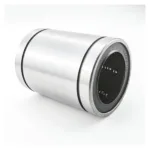
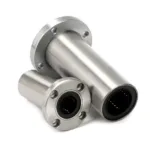
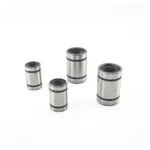
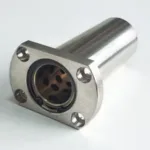


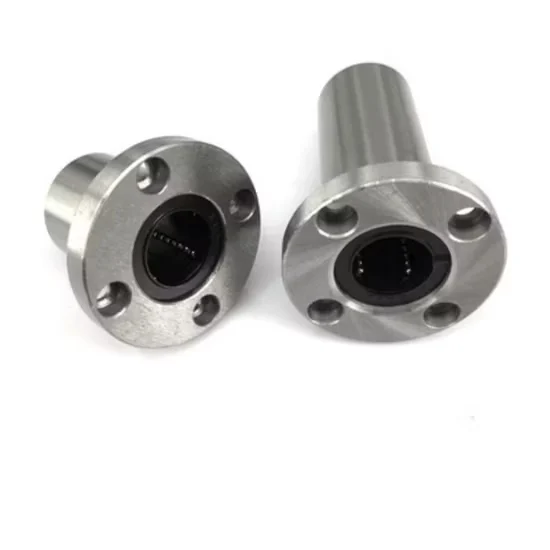
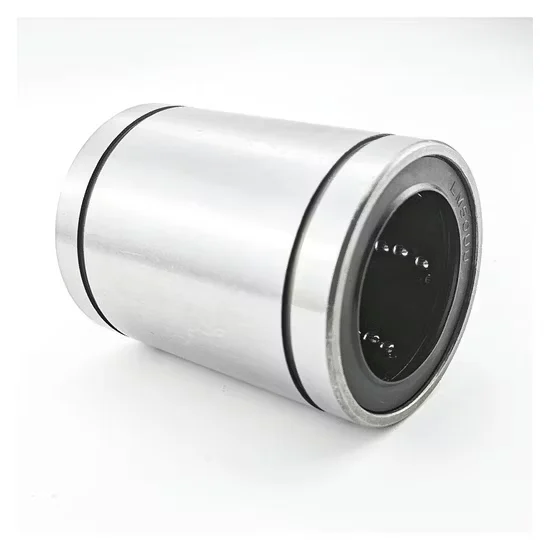
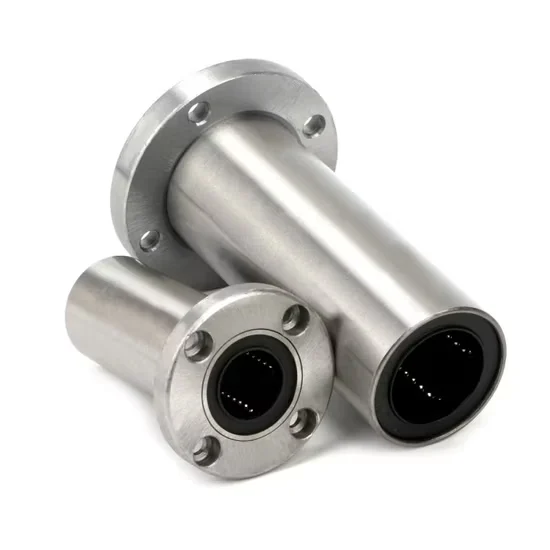
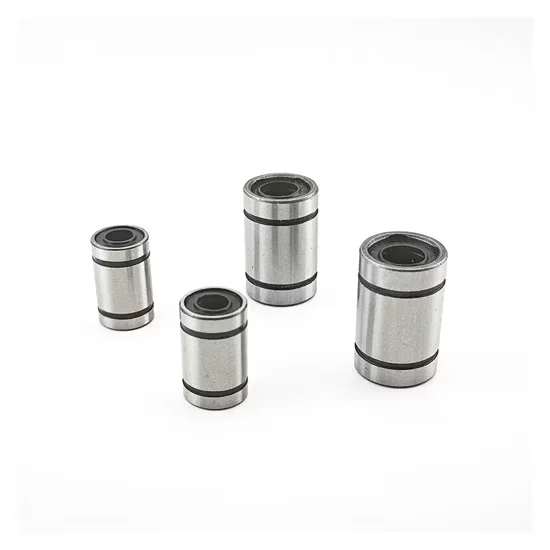
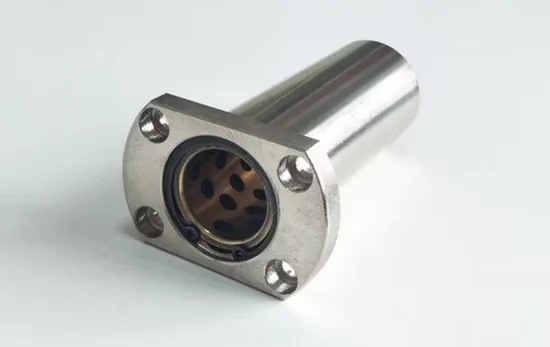
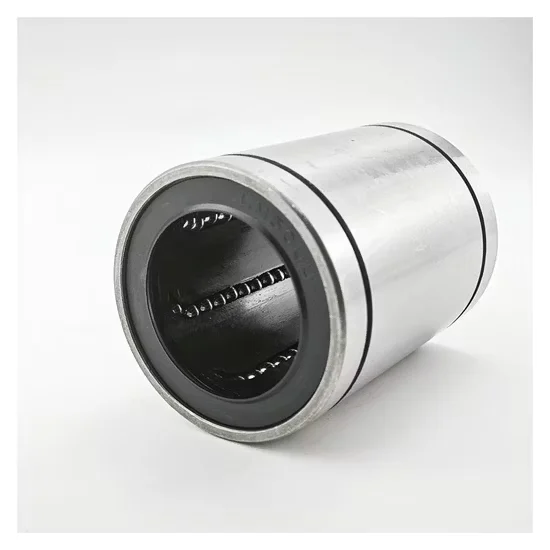


Square Guide Linear Ball Bearing for CNC Machinery and Machine Tools
Square Guide Linear Ball Bearing for CNC Machinery — featuring HRC 60-64 hardness and versatile cage options for precision linear motion applications.
- HRC 60-64 hardness ensures wear resistance and structural integrity during continuous machine tool operation.
- Available with steel, copper, or nylon cages to optimize speed, noise, and lubrication based on specific equipment requirements.
- Every order includes a complete documentation package with material certificates and dimensional inspection reports for full traceability.
Original Packaging
Factory sealed
Batch Traceability
Per-piece tracking
Pre-Ship Inspection
Photo & video proof
12-Month Warranty
Quality guaranteed
Technical Specifications
| Bearing Type | Linear Bearing |
|---|---|
| Condition | New -- Original Packaging |
Need this bearing?
Get a verified quotation
Pricing, stock photos & batch codes — reply within 24 hours.
- Original packaging & batch codes
- Photo & video before shipment
- Mixed-brand orders welcome
Product Description
Unified Sourcing Channels — Consolidate mixed-brand linear motion packages from a single verified supply chain without juggling multiple vendors.
Technical Specifications
| Parameter | Value |
|---|---|
| Product Type | Square Guide Linear Ball Bearing |
| Hardness | HRC 60-64 |
| Cage Material Options | Steel Cage, Copper Cage, Nylon Cage |
| Origin | Shandong, China |
| Certification | ISO-compliant quality assurance |
Application Suitability
| Industry | Typical Applications |
|---|---|
| CNC Machining | Spindle traverse mechanisms and precision tool changers |
| Machine Tools | Cross-slide guides and automated indexing tables |
| Precision Equipment | Optical measurement stages and cleanroom assembly robots |
| General Manufacturing | Automated material handling gantries and linear actuators |
How the Right Square Guide Linear Ball Bearing Supplier Prevents Catastrophic CNC Downtime
Contamination ingress from metallic dust rapidly destroys recirculating elements when seal selection ignores the specific machining environment.
During on-site automation installations in Suzhou, I witnessed an entire production line halt because an open-type linear block ingested aluminum chips. The recirculating balls jammed within days, generating severe acoustic anomalies and damaging the guide rail. Selecting the correct sealing configuration and mating tolerances is non-negotiable to prevent such unplanned stoppages. When working with a dependable square guide linear ball bearing supplier, engineers must prioritize environmental protection over marginal friction reductions. The cost of replacing a scored rail and realigning the entire axis far outweighs the initial investment in properly sealed components. Ignoring the specific particulate size generated by your CNC operations inevitably leads to catastrophic mechanical interference.

Matching Cage Materials to High-Speed Machining Dynamics
When configuring precision equipment, choosing the right square guide linear ball bearing supplier ensures access to varied cage options. Steel cages handle heavy radial loads in demanding milling operations, while nylon cages reduce noise and friction in high-speed traverse axes. Copper cages offer optimal thermal conductivity for continuous duty cycles, allowing the linear motion system to maintain dimensional stability under varying thermal conditions. Matching the cage material to the specific dynamic profile of the machine tool prevents premature fatigue. If the application involves rapid accelerations, the reduced mass of polymer cages minimizes inertial forces, preserving the structural integrity of the recirculating balls and ensuring smoother motion transfer across the guide block.
Managing Contamination and Tolerance Stack-ups in Automated Guides
Linear guides in machine tools face relentless exposure to coolant mists and metallic swarf. Without proper sealing, particulate intrusion compromises the HRC 60-64 raceway hardness, leading to micro-pitting and premature wear. Furthermore, thermal expansion from high-speed spindle operations demands precise clearance management to prevent binding. Proper lubrication intervals and non-contact seal designs are critical to balance friction reduction with effective contamination exclusion. In environments where fine aluminum or cast iron dust is prevalent, standard end seals quickly degrade, allowing abrasive particles to circulate within the load-bearing zones. Implementing secondary scraping seals and specifying the correct grease viscosity ensures the rolling elements remain isolated from destructive contaminants throughout the machine’s operational lifespan.
Evaluating Hardness and Cage Configurations for Linear Motion
The HRC 60-64 hardness rating ensures the load-bearing surfaces resist indentation from shock loads during rapid axis deceleration. Cage material selection directly dictates the operational envelope: steel cages provide maximum structural rigidity for heavy cutting forces, whereas polymer alternatives minimize inertia for rapid traverse rates. Understanding these material options allows engineers to align the component’s physical properties with the specific dynamic requirements of the CNC machinery, ensuring sustained positional accuracy over extended service intervals. Additionally, the precision grinding of the square profile guarantees uniform load distribution across all four rows of recirculating balls. This geometric accuracy prevents localized stress concentrations that could otherwise initiate spalling on the raceway surfaces during continuous multi-axis interpolation movements.

The Compounding Financial Impact of Incorrect Linear Guide Selection
Specifying an under-protected linear block in a dusty environment inevitably leads to unplanned downtime and catastrophic damage to the mating rail. According to ISO 15243 failure mode classifications, abrasive wear from inadequate sealing rapidly degrades the rolling elements, voiding equipment warranties and escalating maintenance costs. The resulting production delays and scrap generation far exceed the initial procurement savings of choosing an incorrectly specified component. When a linear guide seizes due to chip ingress, the resulting axial forces can permanently deform the mounting brackets and compromise the geometric alignment of the entire machine bed. Addressing these hidden costs requires a proactive approach to seal selection and rigorous adherence to recommended maintenance protocols.
Engineering Support and Traceability for Linear Motion Projects
Our technical team cross-references equivalent models across premium global and domestic lines to optimize your procurement costs without sacrificing reliability. We provide complete traceability documentation for every shipment, ensuring the HRC 60-64 hardness and material certifications are fully verifiable. Flexible MOQ policies accommodate both urgent single-unit MRO replacements and full-container project consolidations. Furthermore, our global shipping coordination ensures your CNC machining components arrive on schedule, backed by long-term after-sales failure analysis support. By evaluating the specific failure modes common in your facility, we recommend targeted upgrades such as enhanced scraping seals or specialized cage materials, ensuring your linear motion systems achieve maximum uptime and operational efficiency.
Documentation & Authenticity
- Material inspection reports verifying the HRC 60-64 hardness of the raceway surfaces.
- Dimensional and running accuracy certificates confirming tolerance compliance before dispatch.
- Original batch traceability records linking the linear blocks to their specific production runs.
- Certificate of Conformity detailing the ISO-compliant manufacturing standards applied.
- Cage material verification documents distinguishing between steel, copper, and nylon variants.
Storage, Handling & Mounting
- Store the nylon-caged variants away from direct UV exposure to prevent polymer degradation before installation.
- Keep the original packaging sealed until mounting to protect the HRC 60-64 raceways from ambient humidity.
- Use clean lint-free gloves when handling open-type blocks to prevent skin oils from attracting metallic dust.
- Apply the recommended lithium-based grease to steel-caged units immediately after removing the protective coating.
- Verify the mating shaft diameter tolerances before pressing the linear blocks to avoid cage deformation.
Defining Your Linear Motion Requirements for Technical Review
To ensure optimal selection, please provide the specific CNC equipment model, available installation space, and the expected radial and axial load profiles. Detailing the operational environment, including exposure to coolant, aluminum chips, or elevated temperatures, allows our engineering team to recommend the most appropriate cage material and sealing configuration. We will then determine the exact part number and perform a comprehensive L10 life calculation aligned with your machinery’s duty cycle. Supplying the exact shaft diameter and housing tolerances enables us to verify the mating fits, preventing excessive preload or unwanted clearance that could compromise the positional accuracy of your automated indexing tables and cross-slide guides.
Frequently Asked Questions
Q: How do you determine the specific linear bearing model based on equipment parameters?
A: We analyze your machine’s load ratings, traverse speeds, and operating environment to calculate the required dynamic capacity. By evaluating the exposure to contaminants like aluminum swarf, we select the appropriate seal type and cage material. Our engineering team then cross-references these parameters against our inventory to specify the exact part number that ensures reliable operation and prevents premature jamming.
Q: What are the common failure modes for square guide linear ball bearings in CNC applications?
A: The most frequent failures involve abrasive wear from metallic dust ingress and brinelling from shock loads during rapid axis reversals. Inadequate sealing allows coolant and chips to penetrate the recirculation zone, destroying the rolling elements. Additionally, improper preload or thermal binding can cause catastrophic seizure, highlighting the need for precise tolerance matching and correct cage material selection.
Q: Steel vs. copper vs. nylon cages: which material is best for your specific linear guide application?
A: Steel cages offer maximum rigidity for heavy-load milling operations where shock resistance is critical. Nylon cages reduce friction and operational noise, making them ideal for high-speed traverse axes in precision equipment. Copper cages provide superior thermal conductivity, dissipating heat effectively during continuous heavy-duty cycles to maintain dimensional stability and prevent thermal expansion issues within the guide block.
Q: How to handle custom dimensions and MOQ for linear motion components?
A: We accommodate both single-unit emergency MRO orders and bulk project shipments through our flexible procurement policies. For non-standard dimensions or specialized CNC machining requirements, our technical team reviews your custom drawings and coordinates with manufacturing partners to ensure precise tolerance compliance. This approach guarantees you receive the exact linear motion components needed without being constrained by rigid minimum order quantities.
Inspection Records
- Dimensional measurement report
- Radial clearance verification
- Noise level check (Z-grade)
- Batch code & serial number log
Packaging Photos
- Sealed original box photos
- Label & marking close-ups
- Bearing surface detail shots
- Video walkthrough on request
Certificate of Origin
- Certificate of origin (CO)
- Commercial invoice & packing list
- Fumigation certificate (if required)
- Full export documentation set
All documents are prepared and sent for your review before shipment. You approve the inspection results before we ship. Additional testing or documentation can be arranged upon request.
How to Identify Genuine Bearings
Check the Packaging
Genuine bearings come in sealed, tamper-evident packaging with consistent print quality. Look for holographic seals, QR codes, and batch numbers that match the bearing markings.
Inspect the Markings
Genuine markings are laser-engraved with uniform depth and spacing. Counterfeit bearings often have uneven, shallow, or ink-printed markings that smudge or wear off easily.
Feel the Finish
Genuine bearings have a smooth, uniform surface finish. Rough grinding marks, uneven chamfers, or visible machining defects indicate poor-quality or counterfeit products.
Spin Test
When spun by hand, a genuine bearing rotates smoothly with minimal noise. Excessive vibration, rough spots, or grinding sounds suggest defective or refurbished products.
Common Counterfeit Warning Signs
- Price significantly below market average -- if it seems too good to be true, it usually is
- Packaging with spelling errors, blurry logos, or incorrect color tones
- Missing or non-verifiable batch codes and serial numbers
- Excessive or unusual grease -- used to mask surface defects
- Supplier unwilling to provide pre-shipment inspection or documentation
Free Authenticity Review
Already holding a bearing you doubt? Send us clear photos of the packaging, markings, and bearing surface. Our team will assess authenticity at no charge.
Send Photos for Review// same series
Related Products
 Linear Bearing
LM8UU Stainless Steel Linear Bearing ABEC-5 Precision for Machinery Rail [WARN] draft identifier mismatch
View details Linear Bearing
LMK50UU Flange Linear Bearing High Precision Long Life for CNC Machine Tools [WARN] draft identifier mismatch
View details Linear Bearing
Lme12luu European Standard Linear Sliding Bearing 12x22x61mm Extended Shaft Drive
View details Linear Bearing