




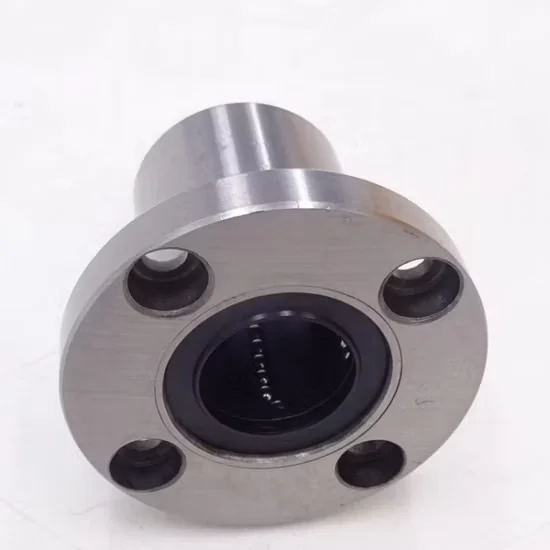
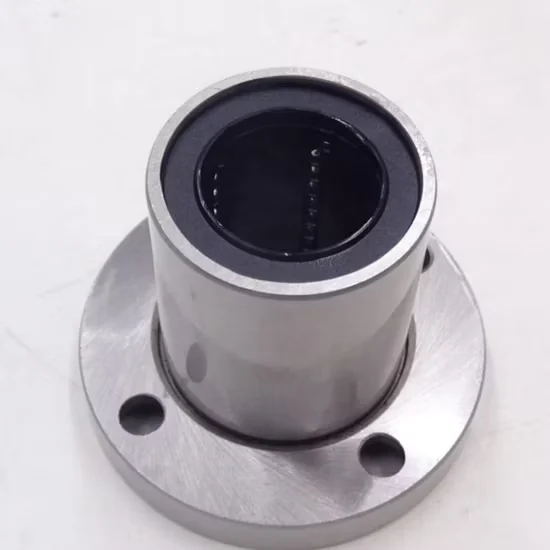
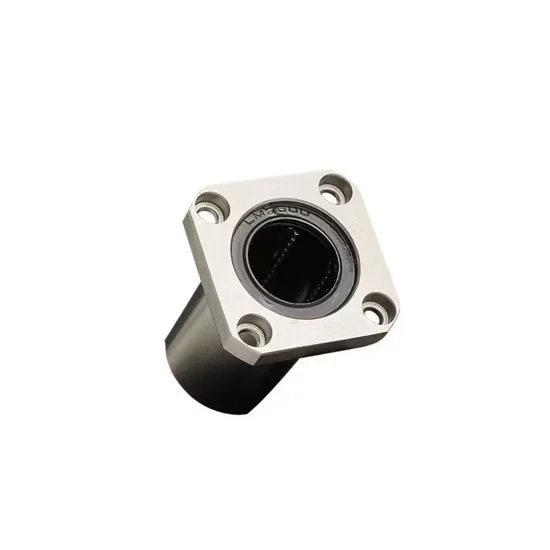
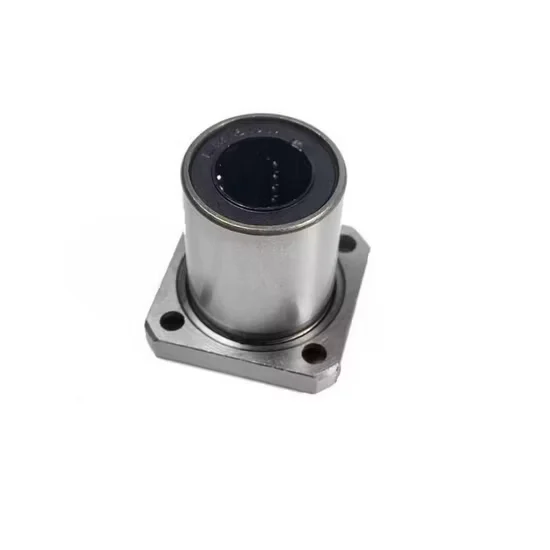
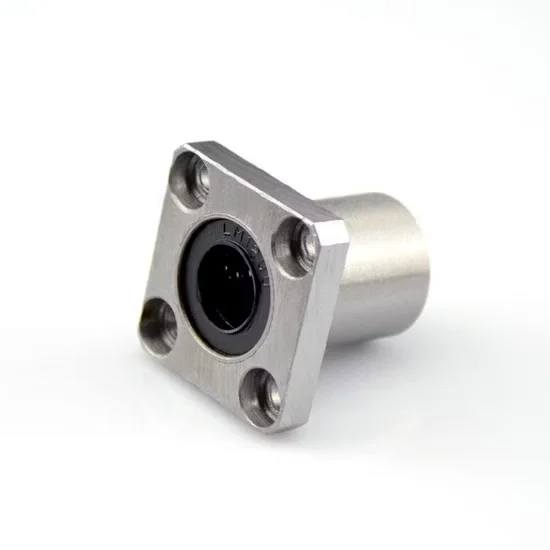

Genuine Lmf8luu Linear Bearing for 3D Printer CNC Machine Tool Low Noise
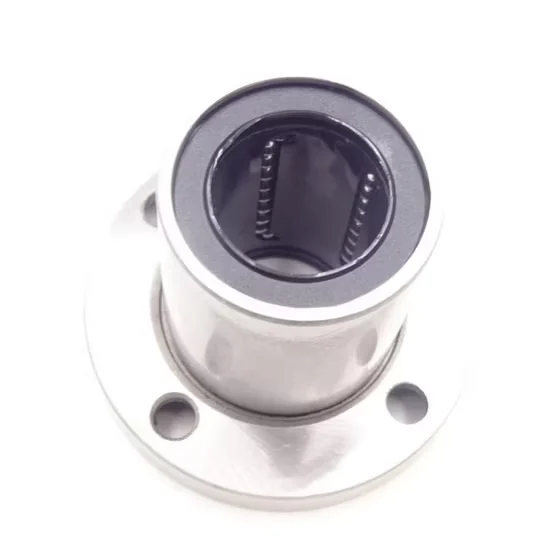
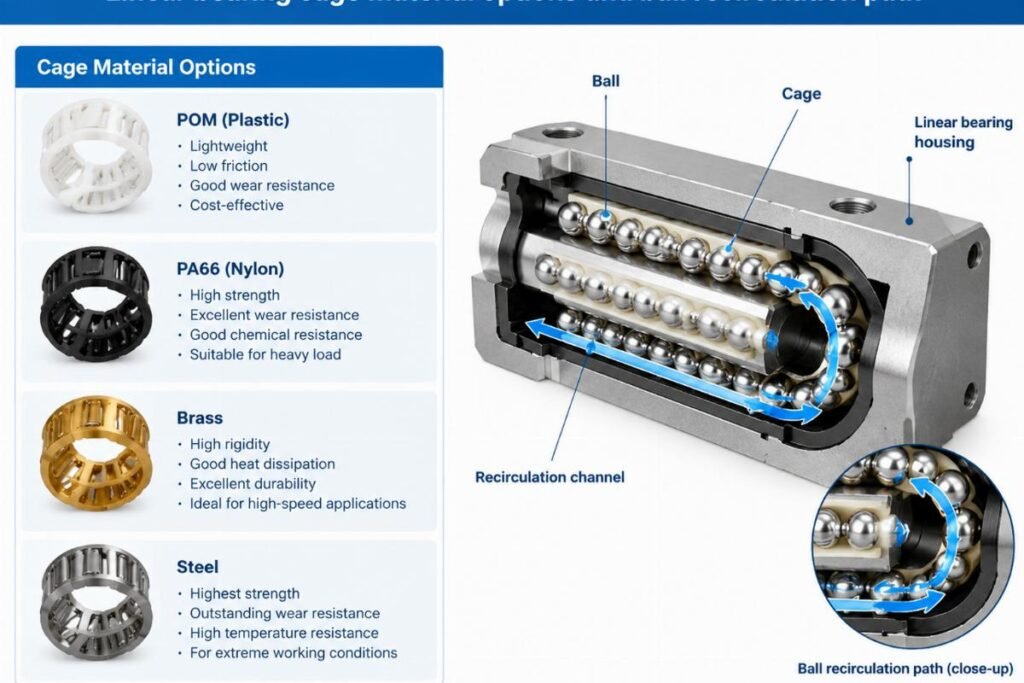
Lmf8luu Linear Bearing — Engineered with HRC 60-64 hardness for exceptional wear resistance, this unit provides steel, copper, or nylon cage options to maintain smooth and quiet operation in CNC machines and 3D printers.
- Delivers reliable performance for demanding precision manufacturing applications.
- Each shipment includes a complete documentation package with original material certificates and detailed dimensional inspection reports to verify product authenticity.
Original Packaging
Factory sealed
Batch Traceability
Per-piece tracking
Pre-Ship Inspection
Photo & video proof
12-Month Warranty
Quality guaranteed
Technical Specifications
| Bearing Type | Linear Bearing |
|---|---|
| Condition | New -- Original Packaging |
Need this bearing?
Get a verified quotation
Pricing, stock photos & batch codes — reply within 24 hours.
- Original packaging & batch codes
- Photo & video before shipment
- Mixed-brand orders welcome
Product Description
Multi-Brand Sourcing Coverage — Consolidate OZD, KOYO, NTN, and NSK linear motion components into a single shipment without juggling multiple vendors.
Technical Specifications
| Parameter | Value |
|---|---|
| Designation | Lmf8luu |
| Product Type | Linear Bearing |
| Hardness | HRC 60-64 |
| Cage Material | Steel Cage, Copper Cage, Nylon Cage |
| Origin | Shandong, China |
Note: The Lmf8luu suffix remains unverified and requires manufacturer catalog confirmation.
Application Suitability
| Industry | Typical Applications |
|---|---|
| 3D Printing | Print head gantry movement and Z-axis lead screw support |
| CNC Machining | Tool changer linear guides and precision positioning stages |
| Machine Tools | Automated tool magazine sliding mechanisms |
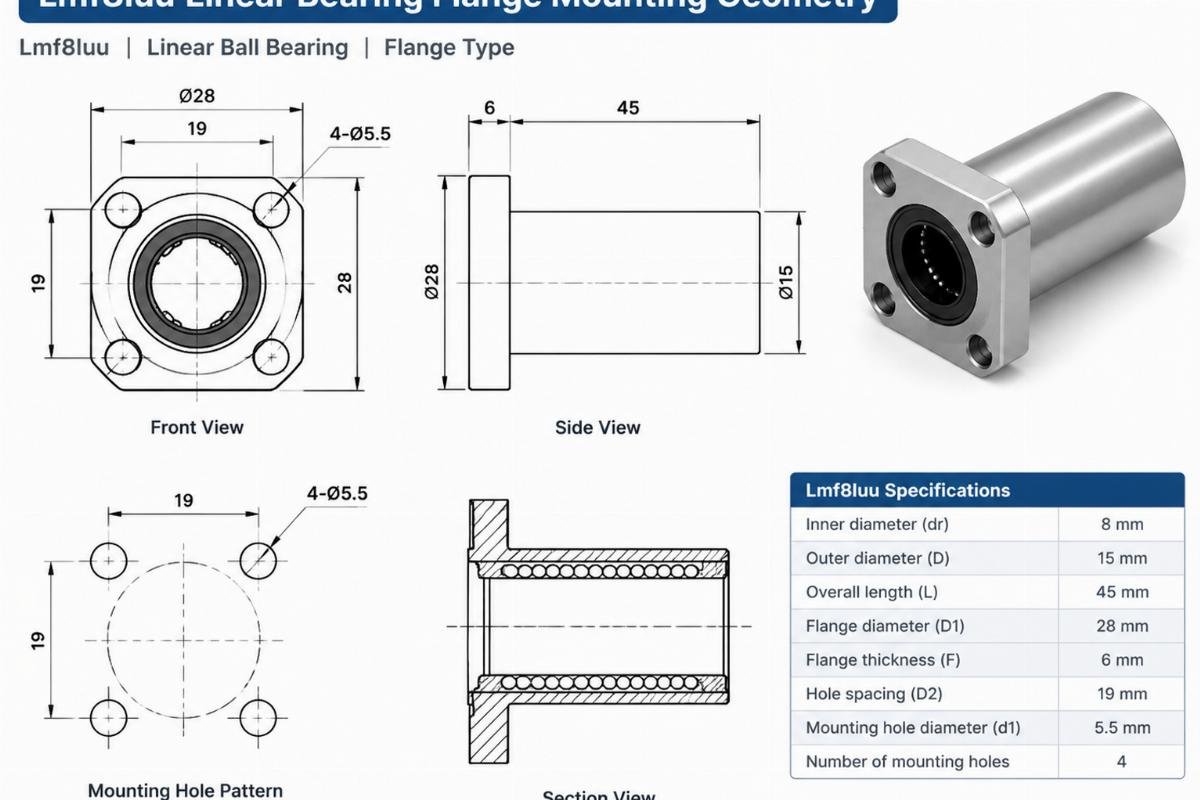
Why Flange Geometry Dictates Gantry Stability in 3D Printers
Flange mounting directly determines the rigidity of high-speed print head carriages.
When sourcing a Lmf8luu linear bearing for rapid prototyping equipment, engineers often overlook how micro-vibrations transfer through the carriage plate. A slight misalignment in the mounting surface causes the recirculating balls to skid rather than roll, generating audible resonance and ruining surface finishes on printed parts. I once saw an entire batch of precision printers fail final QA because the carriage bearings were subjected to uneven preload during assembly. The resulting friction turned a smooth glide into a stuttering mess, destroying the stepper motors and halting the production line for weeks. Sourcing reliable, low-noise linear motion components without compromising on original traceability requires strict attention to these mounting details.
Matching Linear Motion Components to Rapid Prototyping Loads
The Lmf8luu linear bearing excels in environments demanding low noise and smooth travel across short, repetitive strokes. By offering options in steel, copper, or nylon cage materials, we help equipment builders match the exact acoustic and friction requirements of their specific 3D printer or CNC machining parts. Our consolidation capabilities ensure that mixed-brand orders arrive ready for immediate line integration, eliminating the need to coordinate multiple shipments for a single machine build. This streamlined approach significantly reduces assembly downtime and ensures consistent performance across all linear axes.
Navigating Contamination and Lubrication in Open Frames
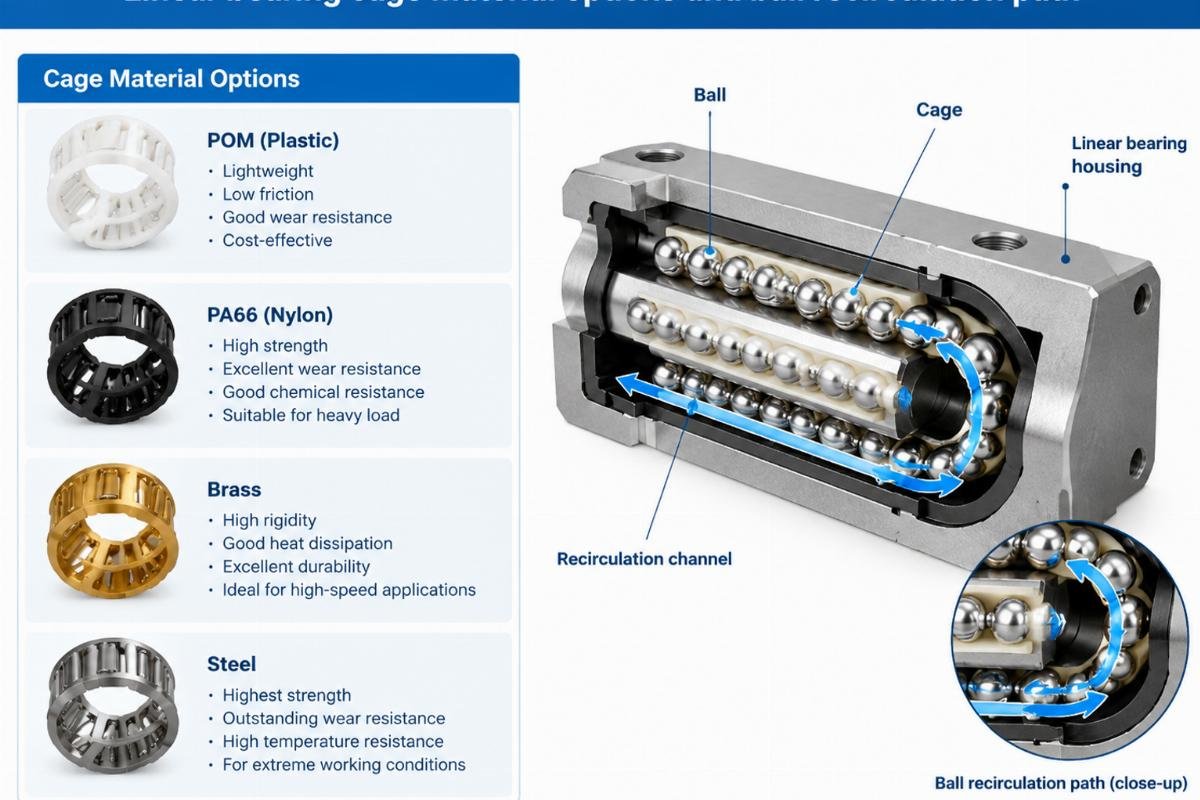
Dust from filament extrusion and metal shavings from CNC routing constantly threaten recirculating ball tracks. While the HRC 60-64 hardness provides excellent wear resistance against abrasive particles, the open carriage design demands rigorous sealing strategies from the machine builder. Selecting the appropriate cage material also influences how well the bearing retains grease under continuous high-speed reversals. Without adequate external wiper seals, microscopic debris infiltrates the ball return tubes, causing localized stress concentrations that eventually lead to catastrophic track jamming during automated operation.
Decoding Hardness and Cage Material Options
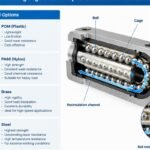
The specified HRC 60-64 hardness ensures the load-bearing plates resist brinelling under the dynamic shock loads typical of rapid directional changes. Furthermore, the available cage materials dictate operational boundaries: steel cages handle higher temperatures and heavier loads, copper cages offer superior thermal conductivity for heat dissipation, and nylon cages minimize friction and acoustic emissions for quiet 3D printer operation. Understanding these material options prevents catastrophic track scoring during high-cycle testing. Engineers must also consider the thermal expansion coefficients of the carriage block to ensure the bearing maintains optimal internal clearance across varying ambient temperatures.
The Hidden Toll of Incorrect Flange Alignment
Forcing a misaligned linear bearing into a carriage block induces internal binding that rapidly escalates into premature failure. According to failure mode classifications, this localized stress accelerates fatigue spalling on the raceway. The resulting unplanned downtime not only halts production but often causes catastrophic damage to the adjacent precision lead screws and stepper motors. Warranty voidance is almost guaranteed when installation errors are detected during failure analysis, making precise machining of the mounting surface an absolute prerequisite for long-term reliability.
Securing Traceability for Precision Motion Orders
We verify the exact flange dimensions and mounting hole patterns for every Lmf8luu, Lmk8luu, and Lmh8luu cross-reference to prevent assembly line stoppages. Our documentation protocols ensure that every KOYO, NTN, or NSK component ships with verifiable batch traceability, eliminating the risk of counterfeit parts infiltrating your BOM. I learned early in my career when a batch of linear bearings arrived rusted and seized due to poor ocean freight moisture control, stalling a client’s 3D printer assembly. Now, we enforce strict moisture-barrier packaging so that every shipment arrives pristine and ready for installation.
Documentation & Authenticity
- Original batch traceability linking each Lmf8luu to its specific manufacturing run.
- Dimensional inspection reports verifying flange thickness and mounting hole tolerances.
- Certificates of origin confirming the Shandong, China production facility.
- Material hardness test records validating the HRC 60-64 specification.
Storage, Handling & Mounting
- Retain the factory moisture-barrier packaging until installation to prevent humidity-induced corrosion on the HRC 60-64 raceways.
- Use clean, lint-free gloves when handling the open ball tracks to avoid skin acid etching on the precision shafts.
- Verify flange mounting surface flatness before tightening to prevent internal binding of the recirculating balls.
- Apply the specified grease grade compatible with the chosen steel, copper, or nylon cage material.
Engineering Review and Selection Support
To finalize the optimal configuration, share your gantry load calculations, travel speed, and operating temperature range. Providing the exact carriage block dimensions and OEM equipment model numbers allows our technical team to verify the cross-reference compatibility for the Lmf8luu linear bearing, Lmk8luu, and Lmh8luu variants. This ensures the selected cage material and flange geometry perfectly align with your machine’s dynamic requirements.
Frequently Asked Questions
Q: How to verify the authenticity and traceability of KOYO, NTN, or NSK linear bearings?
A: Request the original batch traceability documentation and certificates of origin upon delivery. We provide verifiable supply chain records linking each Lmf8luu linear bearing to its manufacturing facility, ensuring complete transparency and protecting your equipment from counterfeit motion components.
Q: What to consider when cross-referencing Lmf8luu, Lmk8luu, and Lmh8luu regarding dimensions?
A: Focus on the flange geometry, mounting hole spacing, and overall length. While these models share similar internal ball diameters, their external mounting footprints differ significantly. Always verify the exact carriage block dimensions against the manufacturer catalog before finalizing your procurement order.
Q: How to select the appropriate cage material among Steel, Copper, and Nylon for specific applications?
A: Choose steel cages for high-temperature CNC environments, copper for applications requiring rapid heat dissipation, and nylon for low-noise 3D printer gantries. The selected material directly impacts friction coefficients and acoustic emissions during high-speed linear motion.
Q: What are the recommended lubrication practices for linear bearings in dusty environments?
A: Implement regular relubrication intervals using a grease compatible with your chosen cage material. In dusty CNC or 3D printing environments, external bellows or wiper seals are essential to prevent abrasive particles from entering the recirculating ball tracks and scoring the raceways.
Q: How to interpret linear bearing suffixes when standard catalog definitions are unavailable?
A: When official catalog definitions are missing, rely on physical dimensional verification and cross-reference charts. For instance, the Lmf8luu designation requires manufacturer catalog confirmation to verify its exact suffix meaning, making physical sample measurement and OEM cross-checking critical.
Inspection Records
- Dimensional measurement report
- Radial clearance verification
- Noise level check (Z-grade)
- Batch code & serial number log
Packaging Photos
- Sealed original box photos
- Label & marking close-ups
- Bearing surface detail shots
- Video walkthrough on request
Certificate of Origin
- Certificate of origin (CO)
- Commercial invoice & packing list
- Fumigation certificate (if required)
- Full export documentation set
All documents are prepared and sent for your review before shipment. You approve the inspection results before we ship. Additional testing or documentation can be arranged upon request.
How to Identify Genuine Bearings
Check the Packaging
Genuine bearings come in sealed, tamper-evident packaging with consistent print quality. Look for holographic seals, QR codes, and batch numbers that match the bearing markings.
Inspect the Markings
Genuine markings are laser-engraved with uniform depth and spacing. Counterfeit bearings often have uneven, shallow, or ink-printed markings that smudge or wear off easily.
Feel the Finish
Genuine bearings have a smooth, uniform surface finish. Rough grinding marks, uneven chamfers, or visible machining defects indicate poor-quality or counterfeit products.
Spin Test
When spun by hand, a genuine bearing rotates smoothly with minimal noise. Excessive vibration, rough spots, or grinding sounds suggest defective or refurbished products.
Common Counterfeit Warning Signs
- Price significantly below market average -- if it seems too good to be true, it usually is
- Packaging with spelling errors, blurry logos, or incorrect color tones
- Missing or non-verifiable batch codes and serial numbers
- Excessive or unusual grease -- used to mask surface defects
- Supplier unwilling to provide pre-shipment inspection or documentation
Free Authenticity Review
Already holding a bearing you doubt? Send us clear photos of the packaging, markings, and bearing surface. Our team will assess authenticity at no charge.
Send Photos for Review// same series
Related Products
 Linear Bearing
LM16UU Linear Bearing for 3D Printer and CNC Machining Parts
View details Linear Bearing
Lmf11 Square Flange Linear Bearing D6 d10 d12 d13 Genuine Supplier
View details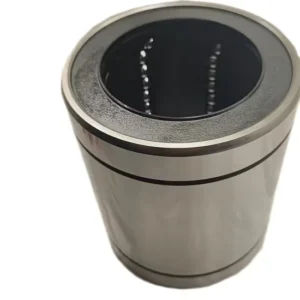 Linear Bearing
Lm8uu Linear Bearing Bush for Smith Machine CNC Router Automation
View details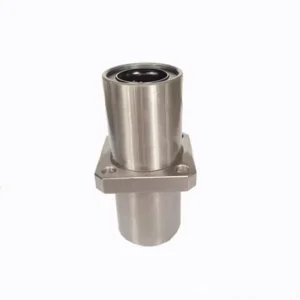 Linear Bearing