
Gulf Petrochemical Plant Bearings: Genuine SKF, FAG & NSK Wholesale Supplier
Most bearing failures in the Gulf are not caused by load, but by heat degrading standard lubricants.
To secure reliable operations in Gulf petrochemical plants, you must match bearing internal clearance to extreme ambient temperatures and verify authenticity through original mill certificates, not just brand logos. Sourcing genuine spherical roller bearings from a verified Petrochemical plant bearings Gulf supplier ensures traceability that prevents catastrophic downtime.
The smell of burnt grease is distinct. It hangs heavy in the air of a cracker unit when things go wrong. I remember standing on the platform in Jubail, watching maintenance crews struggle to remove a seized fan bearing. The equipment had been running for less than a quarter. The procurement team had saved money upfront by skipping strict verification steps, opting for what looked like premium stock. But under the relentless Middle Eastern sun and the intense radiant heat of the cracking process, the material flaws in those counterfeit units became fatal. The inner race cracked, the rollers flattened, and the entire line stopped. That silence was expensive. Since then, my approach to selecting a Petrochemical plant bearings Gulf supplier has changed from price-focused to traceability-obsessed. In this environment, a bearing is not just a component; it is the heartbeat of the production line.
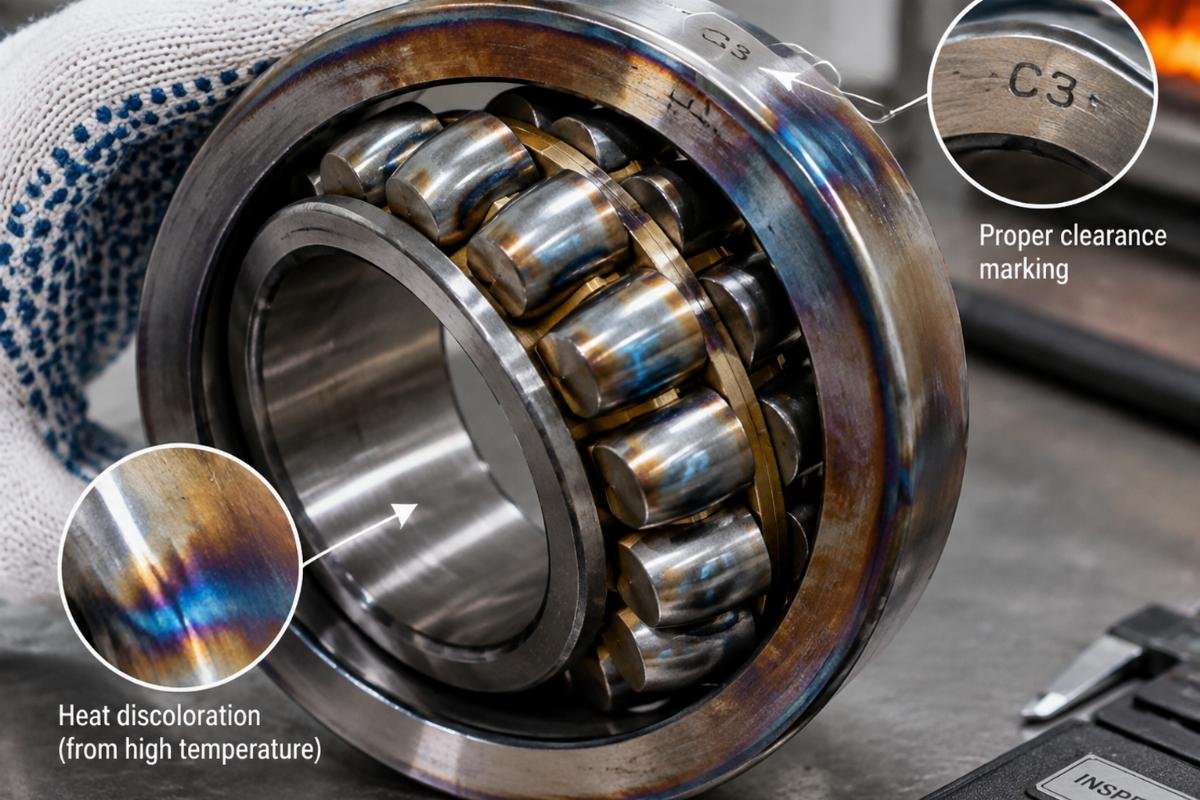
Reliability here is not about buying the most famous name. It is about understanding how thermal expansion alters internal geometry and ensuring that every single unit comes with a paper trail back to the manufacturer’s furnace.
Why Do Bearings Fail Prematurely in Gulf Petrochemical Plants?
Extreme ambient heat combined with continuous heavy loads exposes hidden material and lubrication flaws that standard specifications cannot withstand.
In temperate climates, a standard C3 internal clearance might suffice for a pump or fan. In the Gulf, where summer temperatures regularly exceed forty-five degrees Celsius and industrial processes add significant radiant heat, that same clearance becomes a trap. As the bearing heats up, the inner ring expands faster than the outer ring due to the shaft’s thermal conductivity. If the initial clearance is too tight, the operating clearance drops to zero. The rollers bind. Friction spikes. Temperature rises exponentially until seizure occurs. [NEED_CITE: thermal expansion effects on bearing internal clearance per ISO standards]
I have seen this pattern repeat across multiple sites. A refinery in the region reported repeated failures on their induced draft fans. The vibration analysis showed no misalignment. The load calculations were correct. Yet, the bearings failed within months. When we analyzed the remnants, the evidence was clear: standard lubricant had carbonized, turning into a hard varnish that blocked the rolling elements. The root cause was not the load, but the assumption that a “standard” high-temperature grease would survive without specific thermal derating calculations.
Another common failure mode involves counterfeit materials. Fake bearings often use inferior steel with inconsistent hardness. Under the cyclic stresses of a petrochemical plant, these materials develop micro-cracks that propagate rapidly. Unlike genuine products from brands like SKF or FAG, which undergo rigorous vacuum degassing to remove impurities, counterfeit units lack this purity. [NEED_CITE: impact of steel purity on bearing fatigue life]
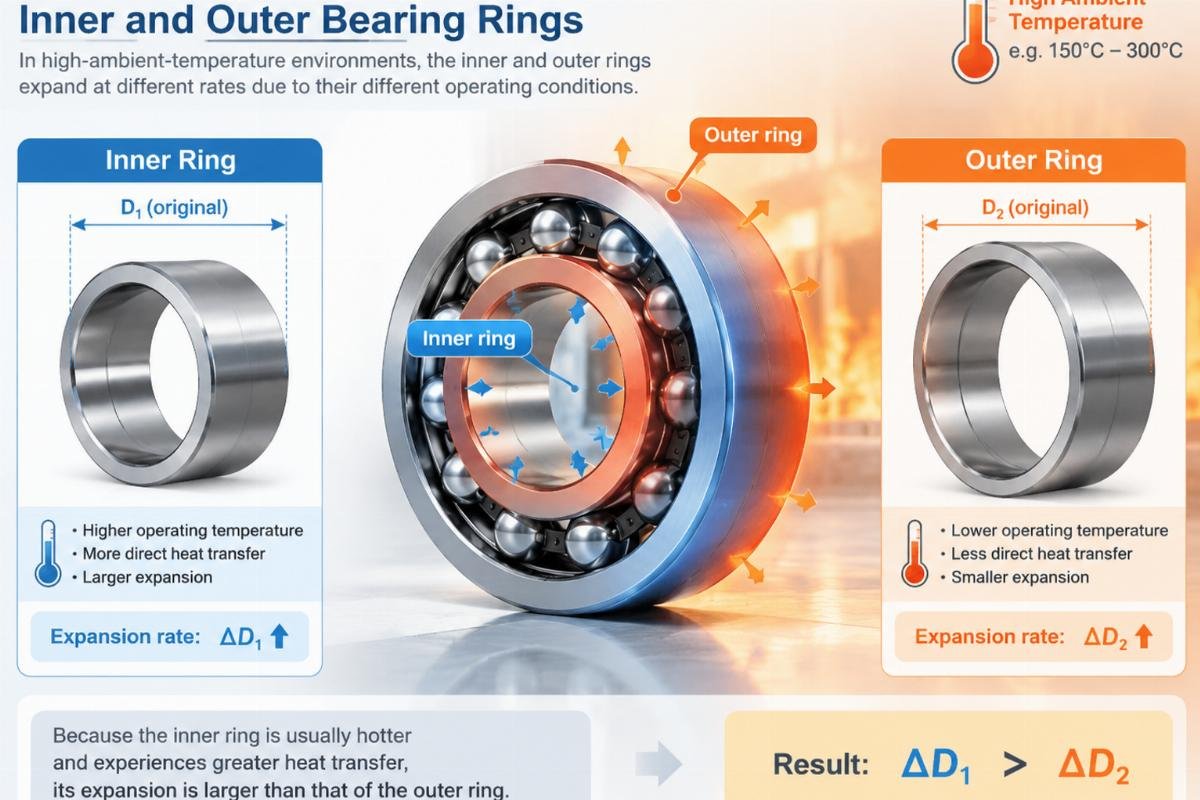
Selecting a Petrochemical plant bearings Gulf supplier requires asking not just about the brand, but about the specific heat treatment processes and the origin of the steel. Without this depth, you are gambling with your uptime.
How to Match Bearing Types to Specific Refinery Equipment?
Spherical roller bearings are essential for fans due to misalignment tolerance, while cylindrical roller bearings suit pumps handling continuous radial loads.
Choosing the right type is critical. Using a deep groove ball bearing where a spherical roller is required is a recipe for early failure. Each piece of refinery equipment has a unique signature of load and movement.
| Equipment Type | Primary Load Profile | Recommended Bearing Type | Key Selection Factor |
|---|---|---|---|
| Cracker Unit Fans | Combined Radial/Thermal Misalignment | Spherical Roller Bearings | High-temperature stability and self-alignment |
| Process Pumps | Continuous Heavy Radial Load | Cylindrical Roller Bearings | Precision internal clearance (C3/C4) |
| Compressors | High Speed/Axial Thrust | Angular Contact Ball Bearings | Precision grade and lubrication compatibility |
| Conveyor Systems | Shock Loads/Contamination | Sealed Spherical Roller Bearings | Robust sealing and insert design |
For fan applications, the shaft often deflects under thermal stress. Spherical roller bearings accommodate this angular misalignment. However, not all spherical rollers are equal. In the Gulf, you need units designed for high-temperature operation. This means specialized cages that do not deform under heat and lubricants that resist oxidation. [NEED_CITE: API standards for rotating equipment in refineries]
Pump stations present a different challenge. Here, the load is steady and heavy. Cylindrical roller bearings offer high radial capacity but are sensitive to misalignment. If the baseplate shifts even slightly due to thermal expansion of the piping, the bearing edges will wear prematurely. This is why verifying the mounting conditions is as important as selecting the bearing itself.
I once consulted for a project where the engineering team specified standard cylindrical bearings for a hot oil pump. Within weeks, vibration levels spiked. The issue was not the bearing quality, but the lack of consideration for pipe growth. Switching to a design that allowed for slight axial float and using a higher clearance class resolved the issue. This highlights why technical selection support from your Petrochemical plant bearings Gulf supplier is vital. They must understand the interplay between the machine and its environment.
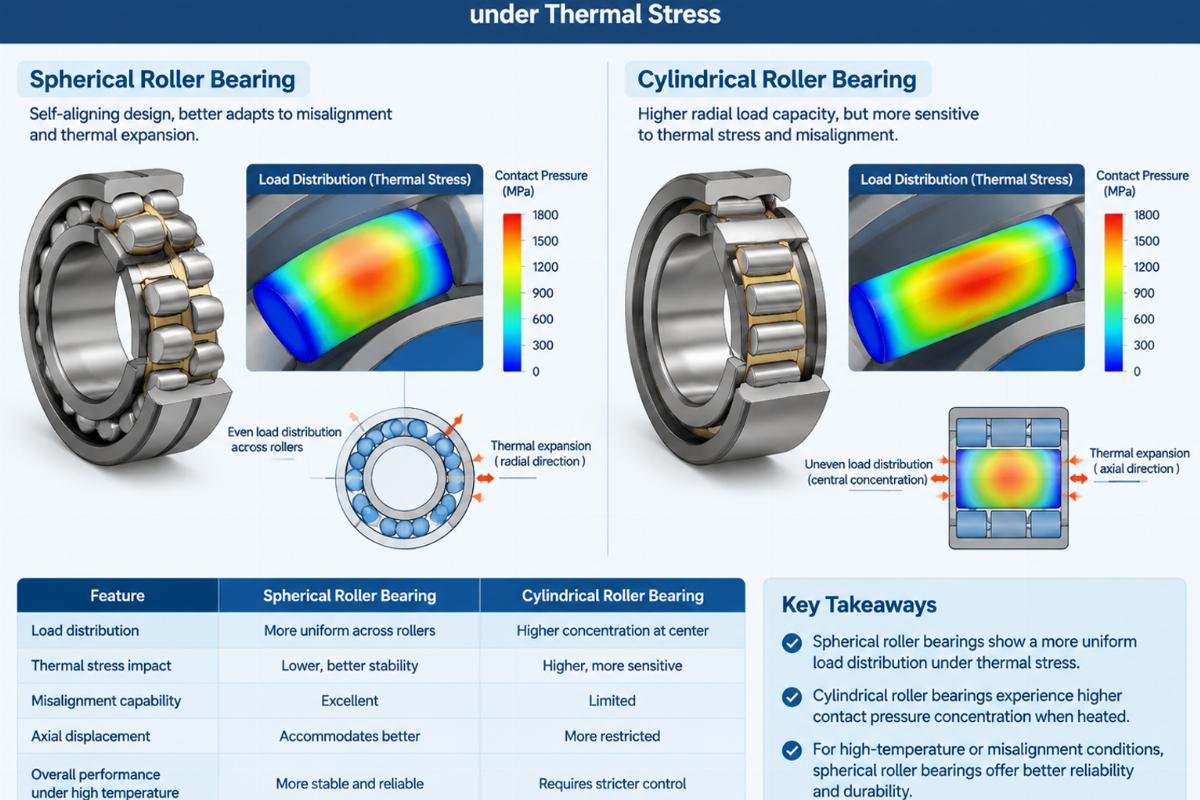
Do not rely on generic catalogs. Your equipment operates in a specific thermal envelope. Match the bearing architecture to that reality.
What Are the Hidden Risks of Counterfeit Bearings in the Middle East?
Fake bearings lack proper heat treatment and material purity, leading to catastrophic seizures that multiply total cost of ownership through unplanned shutdowns.
The market is flooded with look-alikes. A counterfeit SKF or FAG bearing can look identical to the genuine article from the outside. The packaging might even be replicated with high fidelity. But inside, the difference is stark. Genuine bearings use steel that has been carefully controlled for oxygen content and inclusion density. Counterfeits often use scrap steel with unpredictable properties. [NEED_CITE: methods for identifying counterfeit bearings via material analysis]
The risk is not just mechanical failure. It is the ripple effect. A single failed bearing in a critical compressor can shut down an entire unit. The cost of the bearing is negligible compared to the lost production. I recall a procurement audit where a batch of suspiciously cheap bearings was intercepted. The documentation was forged. The holograms were poor copies. Had these been installed, the potential loss would have been mid-six figures in downtime alone. By verifying the supply chain, the client avoided this disaster.
Counterfeits also fail to meet precision tolerances. In high-speed applications, even micron-level deviations cause imbalance and heat generation. In the Gulf’s heat, this extra friction is the final * and the bearing welds itself to the shaft. Removing such a bearing often requires cutting the shaft, extending the repair time significantly.
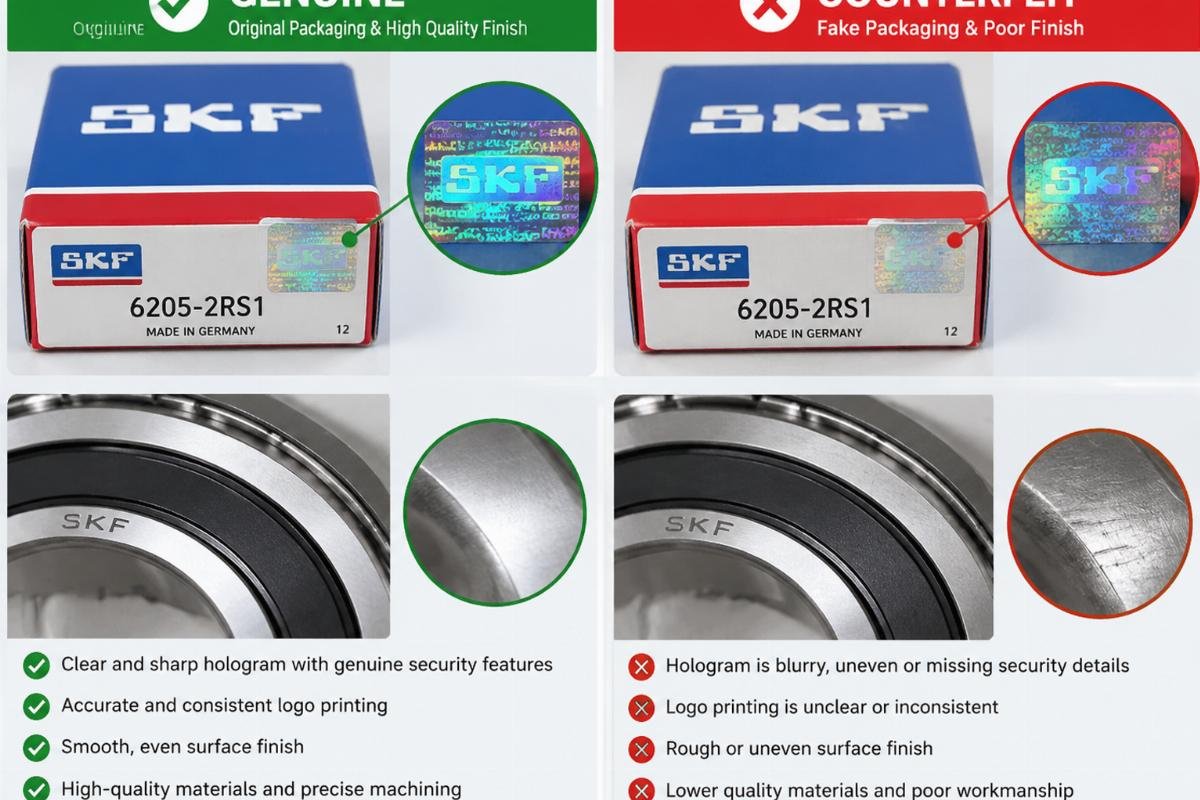
When evaluating a Petrochemical plant bearings Gulf supplier, ask for proof of their anti-counterfeit measures. Do they buy directly from authorized channels? Can they provide the full chain of custody? If the price seems too good to be true, it is because the quality is missing.
How to Verify Bearing Authenticity Before Installation?
Demand original mill certificates, verify packaging holograms, and check customs clearance documents to ensure full traceability.
Trust but verify. This is the mantra for any MRO manager in the region. Visual inspection is not enough. You need documentation that proves the bearing’s journey from the factory floor to your warehouse.
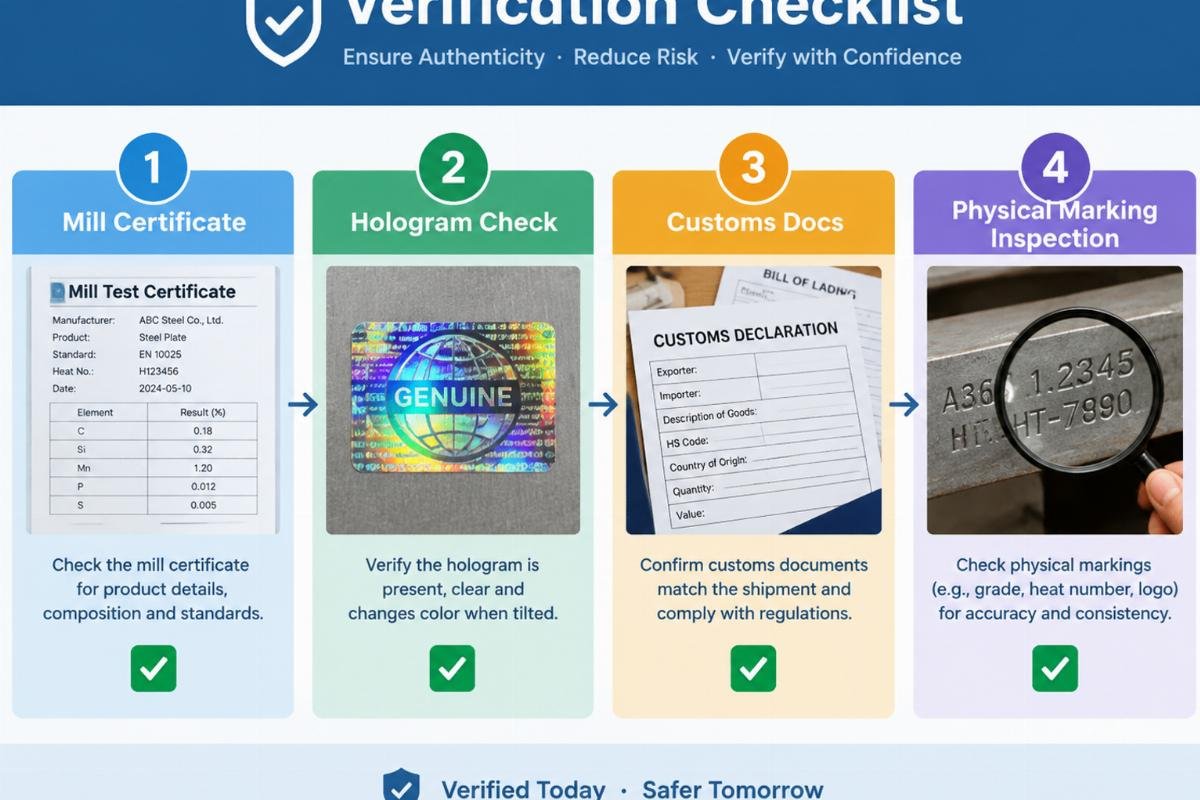
- Request Original Mill Certificates: Every genuine bearing batch comes with a certificate from the manufacturer. This document includes the batch number, material heat code, and production date. Cross-reference this number with the marking on the bearing box and the bearing itself. [NEED_CITE: importance of mill certificates in bearing traceability]
- Inspect Packaging Security Features: Major brands like NSK, SKF, and FAG use advanced security labels. These include holograms that change color when tilted and QR codes that link to verification databases. Check these features under good light. Fake labels often lack the sharpness and dynamic effects of the originals.
- Verify Customs Clearance Documents: Import records show the origin of the goods. Ensure the supplier’s import declarations match the brand and country of origin claimed. Discrepancies here are a major red flag.
- Check Physical Markings: Genuine bearings have laser-etched or stamped markings that are crisp and uniform. Counterfeits often have faint, uneven, or poorly aligned text. Use a magnifying glass if necessary.
I once helped a client who was skeptical of a new supplier. We requested the mill certificates for a recent order of spherical roller bearings. The supplier hesitated, claiming they were “in transit.” When pressed, they could not provide the specific heat codes. We walked away. A week later, another buyer in the same industrial zone reported failures from that same supplier. The documentation gap was the warning sign.
Your Petrochemical plant bearings Gulf supplier should welcome these checks. Transparency is the hallmark of a legitimate partner. If they resist providing paperwork, they are hiding something.
Conclusion
Bearing reliability in the Gulf is built on precise application matching and unbreakable traceability.
Do not let extreme heat and counterfeit risks compromise your plant’s performance. Select bearings based on thermal profiles and load demands, not just brand recognition. Insist on full documentation and verify every unit before installation. Partnering with a trusted Petrochemical plant bearings Gulf supplier who prioritizes authenticity and technical accuracy is the most effective strategy to minimize downtime and protect your investment.


