




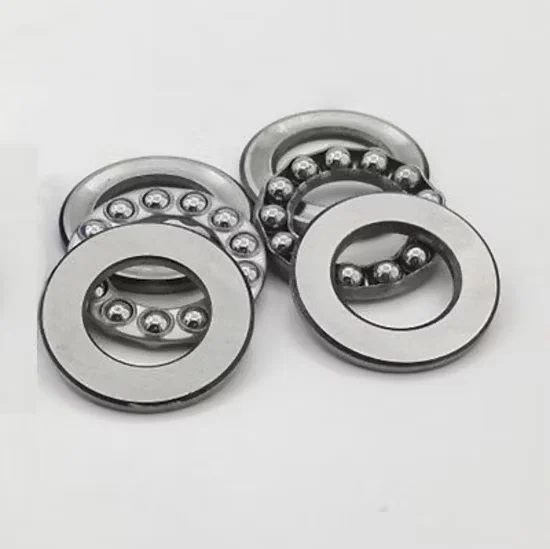

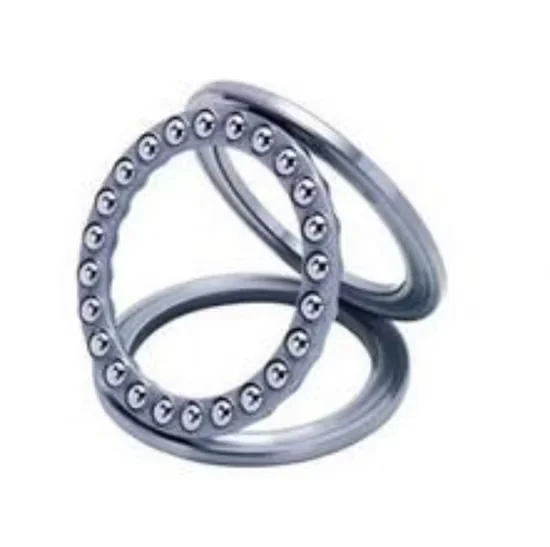

Thrust Ball Bearings 8207 998912 for Friction Reduction
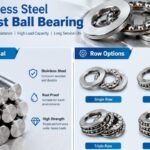
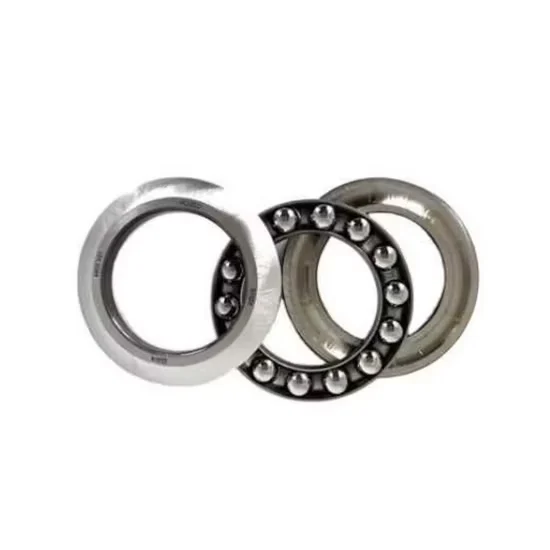
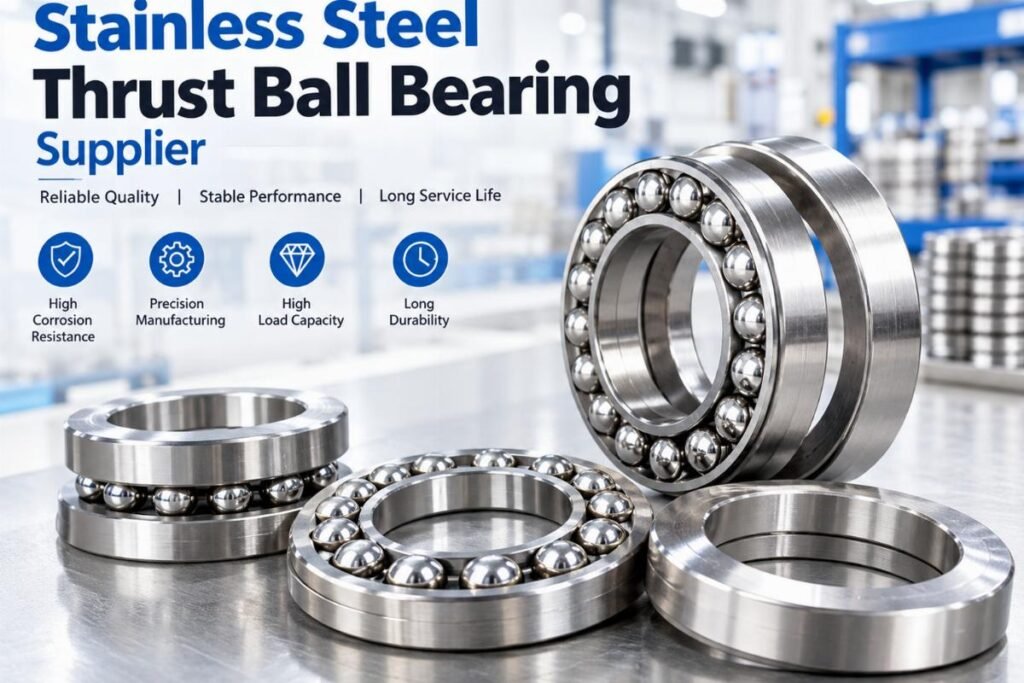
Stainless Steel Thrust Ball Bearing — corrosion-resistant construction suited for harsh or washdown industrial environments.
- Open sealing type requiring external lubrication
- Precision ratings P0, P6, P5 matched to axial load and rotational accuracy needs
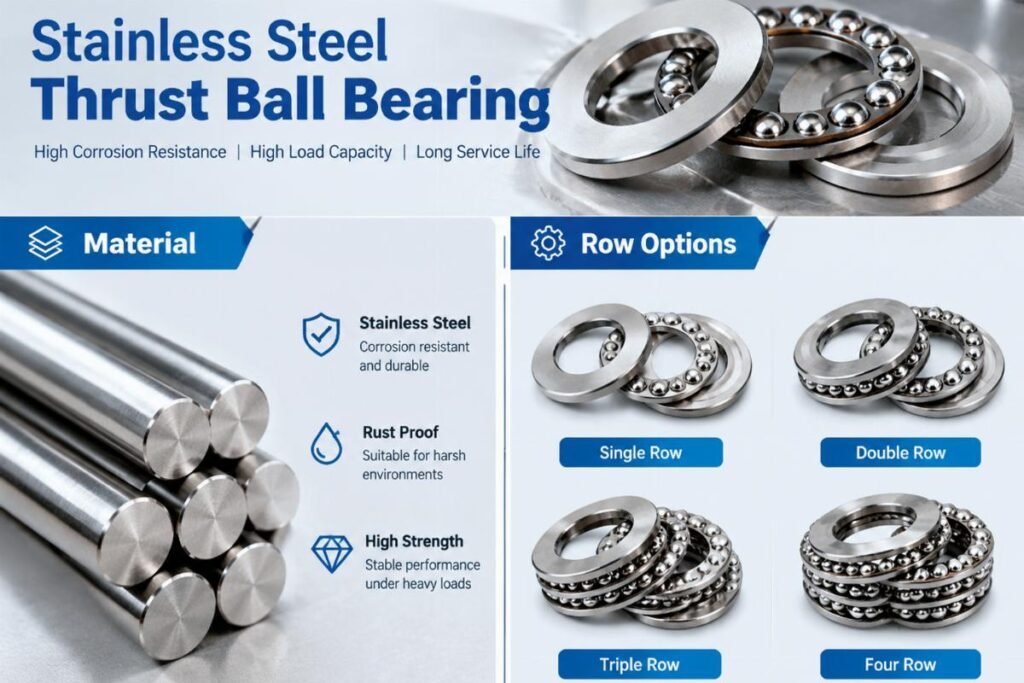
- Single or double row configurations for machine tool spindles, pumps and gearboxes
Each shipment arrives with full material certificates and dimensional inspection reports supporting complete traceability.
Original Packaging
Factory sealed
Batch Traceability
Per-piece tracking
Pre-Ship Inspection
Photo & video proof
12-Month Warranty
Quality guaranteed
Technical Specifications
| Bearing Type | Thrust Ball Bearing |
|---|---|
| Condition | New -- Original Packaging |
Need this bearing?
Get a verified quotation
Pricing, stock photos & batch codes — reply within 24 hours.
- Original packaging & batch codes
- Photo & video before shipment
- Mixed-brand orders welcome
Product Description
Cross-Reference Alignment — We verify OEM part numbers like 8207 998912 against dimensional, material, and precision specifications to ensure exact replacement compatibility.
Technical Specifications
| Parameter | Value |
|---|---|
| Product Type | Thrust Ball Bearing |
| Number of Rows | Single Row / Double Row |
| Sealing Type | Open |
| Material Options | Stainless Steel |
| Precision Rating | P0, P6, P5 |
| Origin | Shandong, China |
Application Suitability
| Industry | Typical Applications |
|---|---|
| Machine Tools | Spindle axial positioning mechanisms |
| Fluid Management | Pump impeller thrust collars |
| Power Transmission | Gearbox vertical shaft support |
| Flow Control | High-pressure valve stem actuators |
| Material Handling | Conveyor pivot and crane hook blocks |
Why Corrosion Outlasts Fatigue in Washdown Environments
Material degradation often precedes mechanical fatigue in harsh operational settings.
When sourcing components for food processing or marine applications, standard bearing steel rusts rapidly, causing particulate contamination and seizure. Finding a reliable stainless steel thrust ball bearing supplier is critical because axial load capacity means nothing if the raceways pit and spall from chemical exposure before reaching their calculated L10 life. Many maintenance teams overlook environmental factors, focusing solely on dynamic load ratings, which inevitably leads to premature replacement cycles and increased operational costs.

Matching Axial Load Demands with Corrosion Resistance
Selecting the right component requires balancing mechanical stress with environmental exposure. As a dedicated stainless steel thrust ball bearing supplier, we provide options that maintain structural integrity under continuous axial loads while resisting washdown chemicals. Our engineering team cross-references OEM equipment requirements to ensure the selected configuration handles the specific thrust forces without compromising the protective oxide layer. This proactive matching process prevents the common pitfall of installing standard components in hostile environments, thereby extending the overall service life of the machinery.
Navigating Washdown and High-Speed Thermal Challenges
Open-type configurations in wet environments demand careful lubrication strategies, as aggressive cleaning agents easily wash away standard greases. The absence of integrated seals reduces friction and heat generation at higher rotational speeds, but it also exposes the rolling elements to particulate ingress. Selecting the appropriate precision class ensures smooth operation, while the material choice inherently mitigates the risk of micro-pitting caused by water ingress. Engineers must carefully evaluate the trade-off between friction reduction and contamination protection when specifying components for high-speed pump or spindle applications.
Evaluating Material and Precision Options for Specific Duties
Stainless steel variants offer substantially higher resistance to moisture and mild chemicals compared to standard bearing steel, making them ideal for humid or washdown zones. The choice between single and double row configurations depends entirely on the magnitude and direction of the axial loads; double row designs accommodate bidirectional thrust. Furthermore, selecting P0, P6, or P5 precision ratings directly impacts the axial runout and rotational accuracy, which is crucial for sensitive machine tool spindles or precision valve actuators. Understanding these specification nuances allows procurement teams to align component capabilities with exact operational demands, avoiding both under-engineering and unnecessary over-specification.

The Hidden Consequences of Incorrect Material Selection
Specifying standard steel in a corrosive environment inevitably leads to unplanned downtime and premature failure due to raceway spalling. Conversely, over-specifying precision or using double row designs for unidirectional loads adds unnecessary cost and friction. These misalignments frequently result in catastrophic damage to adjacent gearbox components or voidance of equipment warranties, emphasizing the need for rigorous application analysis. The financial impact extends far beyond the component cost, encompassing lost production time, secondary machine damage, and emergency freight expenses for replacement parts.
Securing Traceability and Technical Accuracy
Sourcing from our network guarantees genuine original products with complete traceability documentation, preventing the installation of counterfeit parts that fail under load. We offer flexible MOQs, accommodating everything from single-unit emergency replacements for pump maintenance to full container consolidations. Our team provides cross-brand equivalent model consultation, ensuring that obscure OEM references like 8207 998912 are accurately mapped to available inventory. Additionally, we supply comprehensive dimensional and running accuracy inspection reports matching the claimed precision class, giving buyers absolute confidence in the physical attributes of every shipped unit.
Documentation & Authenticity
- Certificate of Conformity verifying the specific stainless steel grade used in production.
- Original batch traceability records linking the shipment to the manufacturer’s production facilities.
- Dimensional and running accuracy inspection reports confirming P0, P6, or P5 tolerances.
- Material test certificates detailing the chemical composition of the stainless steel components.
Storage, Handling & Mounting
- Store open-type stainless steel units in original packaging to prevent dust ingress before mounting.
- Use dedicated clean gloves during handling to avoid chloride transfer from bare skin to the stainless steel surfaces.
- Avoid using carbon steel tools during installation to prevent cross-contamination and localized rust spots.
- Apply the specified washdown-compatible lubricant immediately after unsealing to protect the open raceways.
Defining Your Application Parameters
To ensure accurate technical selection, please provide the specific equipment model, available installation space, and the exact axial load conditions. Detailing the operational environment, including exposure to specific chemicals or washdown frequencies, allows our engineering team to recommend the optimal stainless steel configuration and precision class for your machinery.
Frequently Asked Questions
Q: How do we determine the exact standard designation from an OEM part number like 8207 998912?
A: We analyze the OEM reference by cross-referencing its dimensional profile, material requirements, and precision class against standard bearing catalogs. By evaluating the specific application context, such as gearbox thrust loads, our engineering team identifies the exact equivalent standard designation to ensure seamless replacement and operational compatibility.
Q: When should we choose stainless steel over standard bearing steel for thrust applications?
A: Stainless steel is necessary when the operating environment involves high humidity, frequent washdowns, or exposure to mild corrosive agents. While standard bearing steel offers higher load capacity, stainless variants prevent rust-induced spalling and particulate contamination, ensuring reliable performance in food processing, marine, or chemical handling equipment where cleanliness and corrosion resistance are paramount.
Q: What are the common failure modes of thrust ball bearings in high-axial-load applications?
A: In high-axial-load scenarios, common failure modes include raceway spalling, cage fracture due to inadequate lubrication, and plastic deformation of the rolling elements. Misalignment or excessive axial play can also accelerate fatigue. Adhering to ISO 15243 guidelines helps in identifying these failure mechanisms early and implementing corrective maintenance strategies.
Q: How do we select between single row and double row thrust ball bearings?
A: The selection depends on the direction of the axial load. Single row designs accommodate heavy unidirectional thrust, making them suitable for vertical shafts or crane hooks. Double row configurations are required when the equipment experiences bidirectional axial loads or reversing thrust forces, ensuring stable positioning regardless of the load direction.
Q: What are the maintenance intervals for open-type stainless steel thrust bearings?
A: Maintenance intervals depend heavily on the operating speed, load, and environmental contamination levels. Since open-type bearings lack integrated seals, they require regular relubrication with compatible greases to protect the raceways. Establishing a condition-based monitoring routine helps determine the optimal relubrication schedule and prevents premature wear in harsh environments.
Inspection Records
- Dimensional measurement report
- Radial clearance verification
- Noise level check (Z-grade)
- Batch code & serial number log
Packaging Photos
- Sealed original box photos
- Label & marking close-ups
- Bearing surface detail shots
- Video walkthrough on request
Certificate of Origin
- Certificate of origin (CO)
- Commercial invoice & packing list
- Fumigation certificate (if required)
- Full export documentation set
All documents are prepared and sent for your review before shipment. You approve the inspection results before we ship. Additional testing or documentation can be arranged upon request.
How to Identify Genuine Bearings
Check the Packaging
Genuine bearings come in sealed, tamper-evident packaging with consistent print quality. Look for holographic seals, QR codes, and batch numbers that match the bearing markings.
Inspect the Markings
Genuine markings are laser-engraved with uniform depth and spacing. Counterfeit bearings often have uneven, shallow, or ink-printed markings that smudge or wear off easily.
Feel the Finish
Genuine bearings have a smooth, uniform surface finish. Rough grinding marks, uneven chamfers, or visible machining defects indicate poor-quality or counterfeit products.
Spin Test
When spun by hand, a genuine bearing rotates smoothly with minimal noise. Excessive vibration, rough spots, or grinding sounds suggest defective or refurbished products.
Common Counterfeit Warning Signs
- Price significantly below market average -- if it seems too good to be true, it usually is
- Packaging with spelling errors, blurry logos, or incorrect color tones
- Missing or non-verifiable batch codes and serial numbers
- Excessive or unusual grease -- used to mask surface defects
- Supplier unwilling to provide pre-shipment inspection or documentation
Free Authenticity Review
Already holding a bearing you doubt? Send us clear photos of the packaging, markings, and bearing surface. Our team will assess authenticity at no charge.
Send Photos for Review// same series
Related Products
 Thrust Ball Bearing
51410 51412 51413 Thrust Ball Bearing Single Direction for Machinery
View details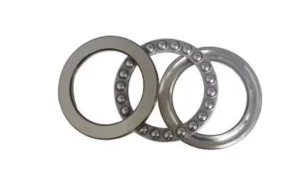 Thrust Ball Bearing
Genuine 51304-51320 M Thrust Ball Bearing Wholesale Supplier [WARN] draft identifier mismatch
View details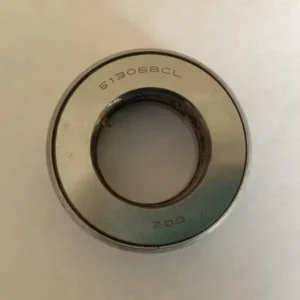 Thrust Ball Bearing
S Kf Ba5 Thrust Ball Bearing 5x12x4 mm Genuine Wholesale [WARN] draft identifier mismatch
View details Thrust Ball Bearing