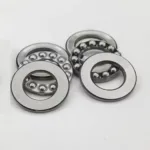

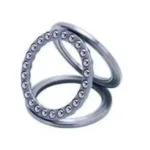
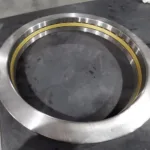


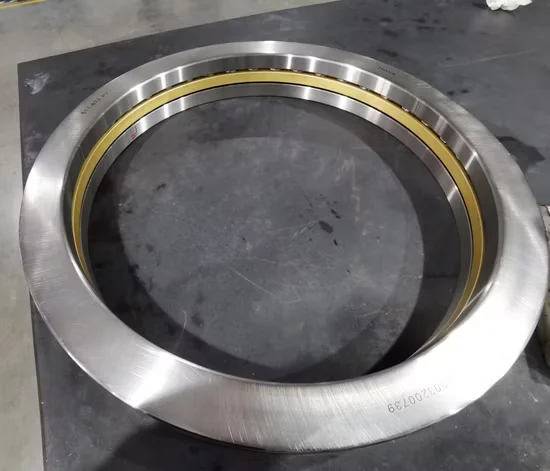
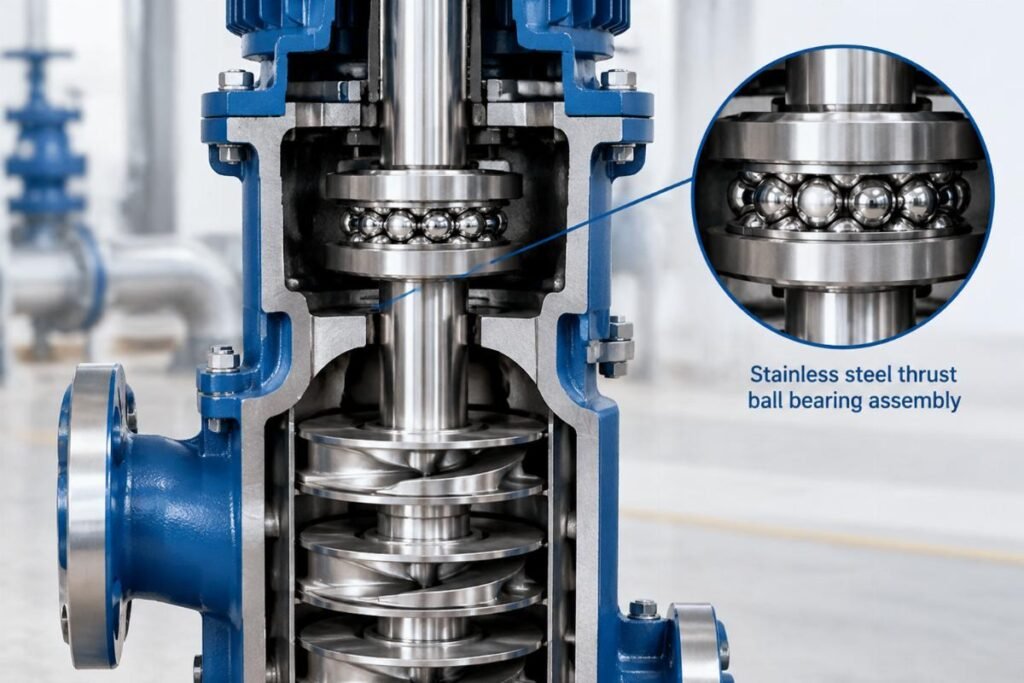

Stainless Steel Thrust Ball Bearing Single Double Row P0 P6 P5 Precision
Stainless Steel Thrust Ball Bearing for Corrosive Environments — engineered for washdown and oxidizing conditions.
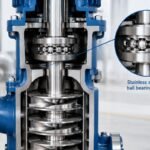
- Single and double row configurations accommodate varying axial loads in vertical pumps and gearboxes.
- Open sealing design necessitates external lubrication, while P0, P6, and P5 precision ratings ensure exact running accuracy.
- We guarantee strict cross-reference alignment for precision class, row configuration, and material grade before dispatch.
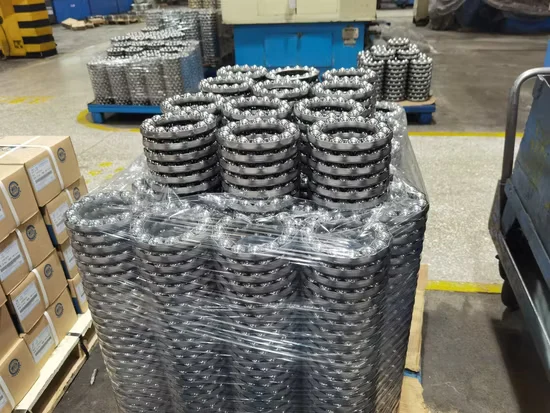
Original Packaging
Factory sealed
Batch Traceability
Per-piece tracking
Pre-Ship Inspection
Photo & video proof
12-Month Warranty
Quality guaranteed
Technical Specifications
| Bearing Type | Thrust Ball Bearing |
|---|---|
| Condition | New -- Original Packaging |
Need this bearing?
Get a verified quotation
Pricing, stock photos & batch codes — reply within 24 hours.
- Original packaging & batch codes
- Photo & video before shipment
- Mixed-brand orders welcome
Product Description
Cross-Reference Alignment — We verify dimensional, material, and load equivalency across three global standards before dispatching any corrosion-resistant axial component.
Technical Specifications
| Parameter | Value |
|---|---|
| Product Type | Thrust Ball Bearing |
| Material Options | Stainless Steel variants available |
| Precision Rating | P0, P6, P5 |
| Configuration | Single Row, Double Row |
| Sealing Type | Open |
| Origin | Shandong, China |
| Customization | Available for non-standard dimensions |
Application Suitability
| Industry | Typical Applications |
|---|---|
| Machine Tools | Spindle axial positioning mechanisms |
| Fluid Handling | Vertical pump impeller thrust collars |
| Power Transmission | Heavy-duty gearbox axial load stages |
| Lifting Equipment | Crane hook swivel assemblies |
| Automotive | Steering column axial support systems |
Why Axial Bearings Seize in Washdown Environments
Thermal expansion without adequate axial clearance causes catastrophic binding.
When I first transitioned from document processing to managing large-scale mining accounts in Mexico, I witnessed a vertical pump fail spectacularly. The thrust component lacked the correct clearance suffix for the operating temperature, leading to thermal expansion and complete seizure. Sourcing from a reliable stainless steel thrust ball bearing supplier prevents these washdown failures, but only if the internal geometry matches the thermal profile of the application. Many buyers focus solely on material grade while ignoring the microscopic gaps that dictate survival under heat.
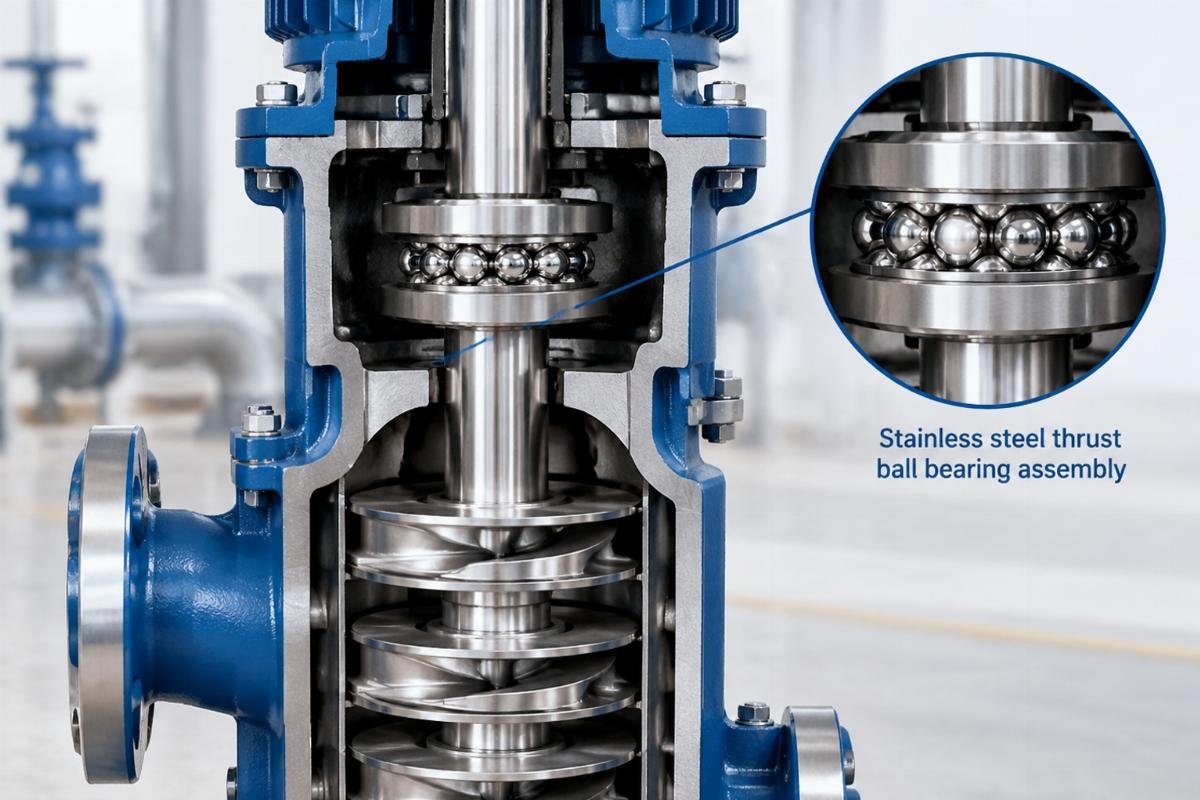
Matching Corrosion Resistance to Axial Loads
Selecting the right component requires balancing chemical exposure with pure axial force. As a dedicated stainless steel thrust ball bearing supplier, we evaluate the specific washdown frequency and chemical concentration to recommend the optimal material variant. The single or double row configuration is then matched to the spatial constraints and load magnitude of the spindle or gearbox, ensuring the rolling elements handle the thrust without compromising the structural integrity of the housing.
Navigating Thermal and Lubrication Challenges
Axial components in vertical pumps and crane hooks endure continuous unidirectional loading, which severely impacts lubricant distribution. In high-moisture or washdown environments, standard greases emulsify and wash out, leaving the raceways unprotected. Open designs require external lubrication systems that can continuously replenish the film thickness while resisting water ingress. Furthermore, temperature fluctuations alter the internal clearance; if the initial gap is too tight, thermal growth will eliminate the clearance entirely, causing the rolling elements to skid and generate excessive friction.
Decoding Precision and Configuration Options
The choice between P0, P6, and P5 precision ratings directly influences the running accuracy of machine tool spindles and gearboxes. Higher precision classes minimize axial runout, which is critical for maintaining tight tolerances in machining operations. Regarding configuration, single row designs handle unidirectional axial loads efficiently, while double row variants accommodate bidirectional thrust or provide enhanced rigidity in complex assemblies. The open sealing type is intentional, allowing for customized lubrication strategies and preventing the friction heat buildup that contact seals would introduce in high-speed axial applications.

The Financial Impact of Incorrect Clearance Selection
Specifying the wrong internal geometry for high-temperature or high-load applications leads to premature fatigue and unplanned downtime. When axial clearance is insufficient, the rolling elements experience edge loading and skidding, rapidly degrading the raceway surface. This catastrophic damage often extends beyond the component itself, destroying adjacent shafts and housings. Following the failure analysis frameworks outlined in industry standards helps identify these root causes, but preventing them requires precise alignment of the clearance class with the actual operating envelope.
Securing Reliable Axial Components for Harsh Duties
Our approach as a verified stainless steel thrust ball bearing supplier stems from hard-learned lessons in the field. We verify material certificates to confirm the exact stainless steel grade, preventing premature rust in aggressive washdown zones. Dimensional inspection reports are cross-checked against P0, P6, and P5 tolerance standards to guarantee running accuracy. For custom batches, we provide complete traceability documentation, ensuring every non-standard dimension is accounted for. Finally, we mandate wooden box packaging for precision components to prevent transit deformation, a detail often overlooked by standard distributors.
Documentation & Authenticity
- Material test reports confirming specific stainless steel grade for corrosion resistance.
- Dimensional inspection certificates verifying P5 or P6 axial runout tolerances.
- Traceability records linking custom non-standard dimensions to original production batches.
- Origin certificates validating the Shandong manufacturing source for global customs clearance.
Storage, Handling & Mounting
- Store open single row units in original packaging to prevent dust ingress on precision raceways.
- Use non-marring tools during installation to avoid embedding carbon steel particles into stainless surfaces.
- Apply specified external grease immediately before mounting double row variants to protect exposed rolling elements.
- Verify shaft and housing shoulder squareness to prevent misalignment that compromises P5 precision ratings.
- Maintain controlled humidity in storage areas to preserve the passivation layer on stainless steel components.
Engineering Data Required for Selection
To determine the exact model for your equipment, please provide the specific axial load magnitude, operating speed, and thermal profile of the application. Detailing the environmental exposure, such as specific washdown chemicals or saltwater concentration, allows our engineering team to select the appropriate stainless steel variant. Supplying the available installation space and equipment OEM numbers enables us to finalize the single or double row configuration and confirm the optimal precision class for your machinery.
Frequently Asked Questions
Q: How do we determine the specific model based on equipment axial load parameters?
A: Determining the exact model requires analyzing the maximum axial load, operating speed, and thermal expansion characteristics of your machinery. Our engineering team uses these parameters to calculate the required dynamic load rating and select the appropriate single or double row configuration. Providing the equipment OEM number and installation space constraints allows us to finalize the dimensions and precision class.
Q: What material considerations apply for corrosive environments compared to standard steel?
A: In corrosive or frequent washdown environments, standard bearing steel will rapidly degrade due to oxidation. Stainless steel variants provide substantially higher resistance to rust and chemical attack, preserving the raceway integrity. The specific grade of stainless material is selected based on the concentration of corrosive agents and the operating temperature, ensuring the component survives without premature pitting or spalling.
Q: What are common failure modes in vertical pump applications?
A: Vertical pumps subject these components to continuous unidirectional thrust and potential lubricant washout from moisture. Common failure modes include raceway spalling due to inadequate lubrication film thickness and seizure caused by thermal expansion eliminating internal clearance. Skidding of the rolling elements under light load conditions can also occur if the component is not properly preloaded or if the lubricant viscosity is insufficient.
Q: What customization options and minimum quantities apply for non-standard dimensions?
A: We offer comprehensive customization for non-standard bore, outside diameter, and width dimensions to fit unique housing constraints. The minimum order quantity for these specialized configurations is highly flexible, accommodating both single-unit emergency replacements and full production runs. Each custom batch is manufactured to the requested P0, P6, or P5 precision rating and includes full dimensional inspection documentation.
Q: How should open-type designs be maintained and lubricated?
A: Open designs require continuous or periodic external lubrication, as they lack integrated seals to retain grease. The interval depends on operating speed, axial load, and contamination levels. It is critical to use a lubricant that resists washout in wet environments, ensuring the rolling elements remain fully separated by a protective film to prevent wear and corrosion.
Inspection Records
- Dimensional measurement report
- Radial clearance verification
- Noise level check (Z-grade)
- Batch code & serial number log
Packaging Photos
- Sealed original box photos
- Label & marking close-ups
- Bearing surface detail shots
- Video walkthrough on request
Certificate of Origin
- Certificate of origin (CO)
- Commercial invoice & packing list
- Fumigation certificate (if required)
- Full export documentation set
All documents are prepared and sent for your review before shipment. You approve the inspection results before we ship. Additional testing or documentation can be arranged upon request.
How to Identify Genuine Bearings
Check the Packaging
Genuine bearings come in sealed, tamper-evident packaging with consistent print quality. Look for holographic seals, QR codes, and batch numbers that match the bearing markings.
Inspect the Markings
Genuine markings are laser-engraved with uniform depth and spacing. Counterfeit bearings often have uneven, shallow, or ink-printed markings that smudge or wear off easily.
Feel the Finish
Genuine bearings have a smooth, uniform surface finish. Rough grinding marks, uneven chamfers, or visible machining defects indicate poor-quality or counterfeit products.
Spin Test
When spun by hand, a genuine bearing rotates smoothly with minimal noise. Excessive vibration, rough spots, or grinding sounds suggest defective or refurbished products.
Common Counterfeit Warning Signs
- Price significantly below market average -- if it seems too good to be true, it usually is
- Packaging with spelling errors, blurry logos, or incorrect color tones
- Missing or non-verifiable batch codes and serial numbers
- Excessive or unusual grease -- used to mask surface defects
- Supplier unwilling to provide pre-shipment inspection or documentation
Free Authenticity Review
Already holding a bearing you doubt? Send us clear photos of the packaging, markings, and bearing surface. Our team will assess authenticity at no charge.
Send Photos for Review// same series
Related Products
 Thrust Ball Bearing
53204 U 204 Thrust Ball Bearing - Metric/Inch Size [WARN] draft identifier mismatch
View details Thrust Ball Bearing
81108 Thrust Ball Bearing High Precision Low Noise Long Life Brand Roller
View details Thrust Ball Bearing
51200 Thrust Ball Bearing 10mm Bore 15mm Width Gcr15 Chrome Steel for Printing Shops
View details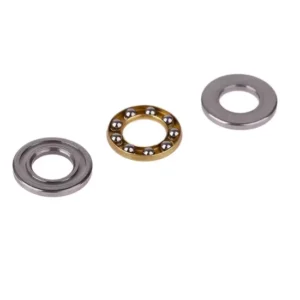 Thrust Ball Bearing