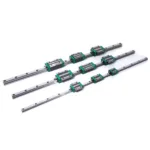
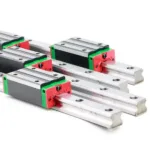
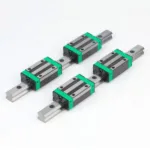
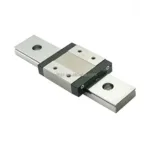
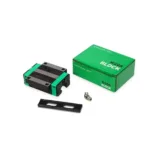
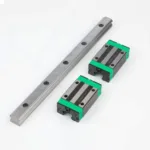


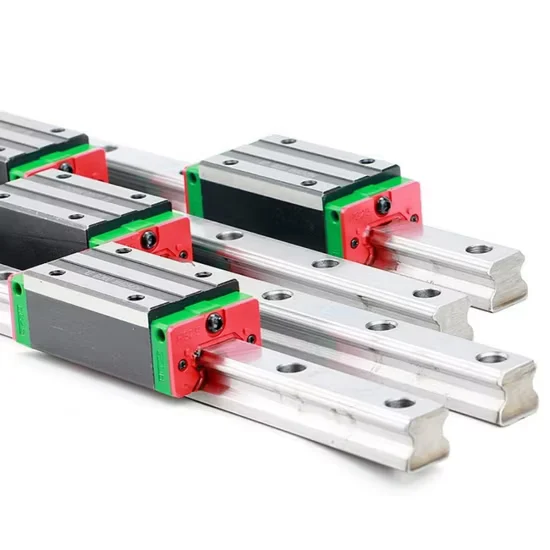
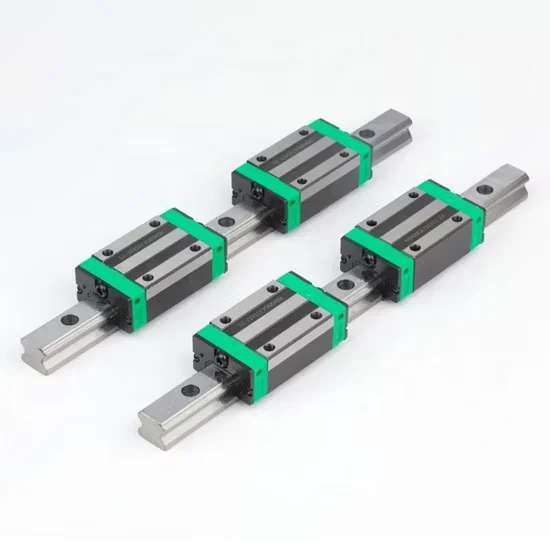
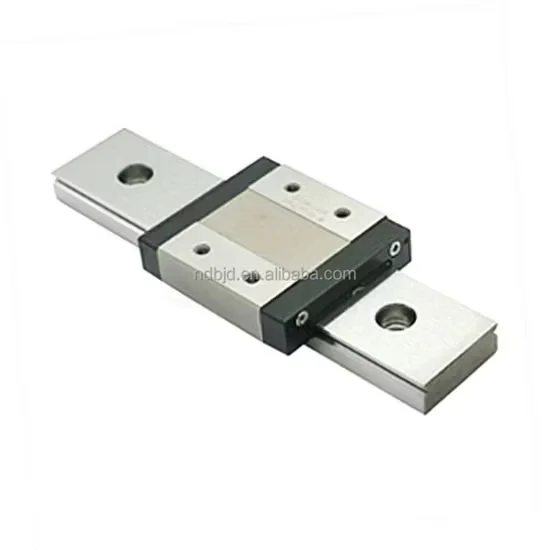
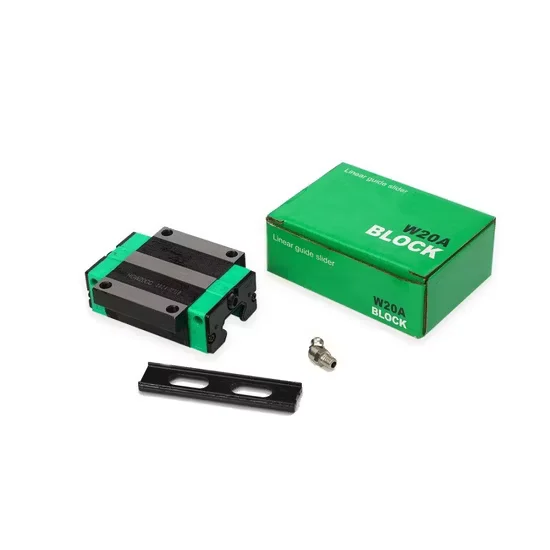
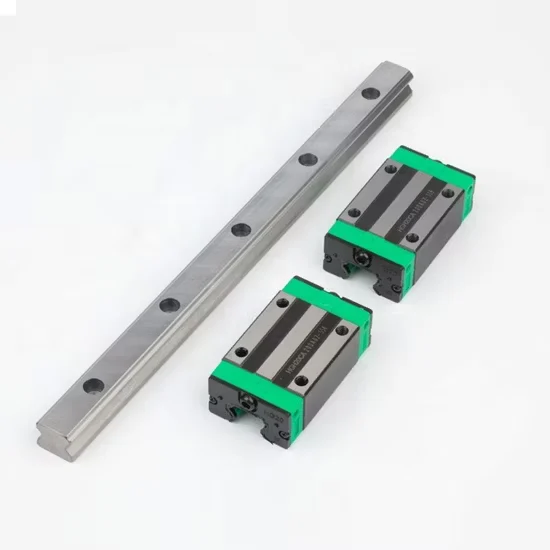


High Precision Steel Linear Guide Rail with Slider Block 100-3000mm
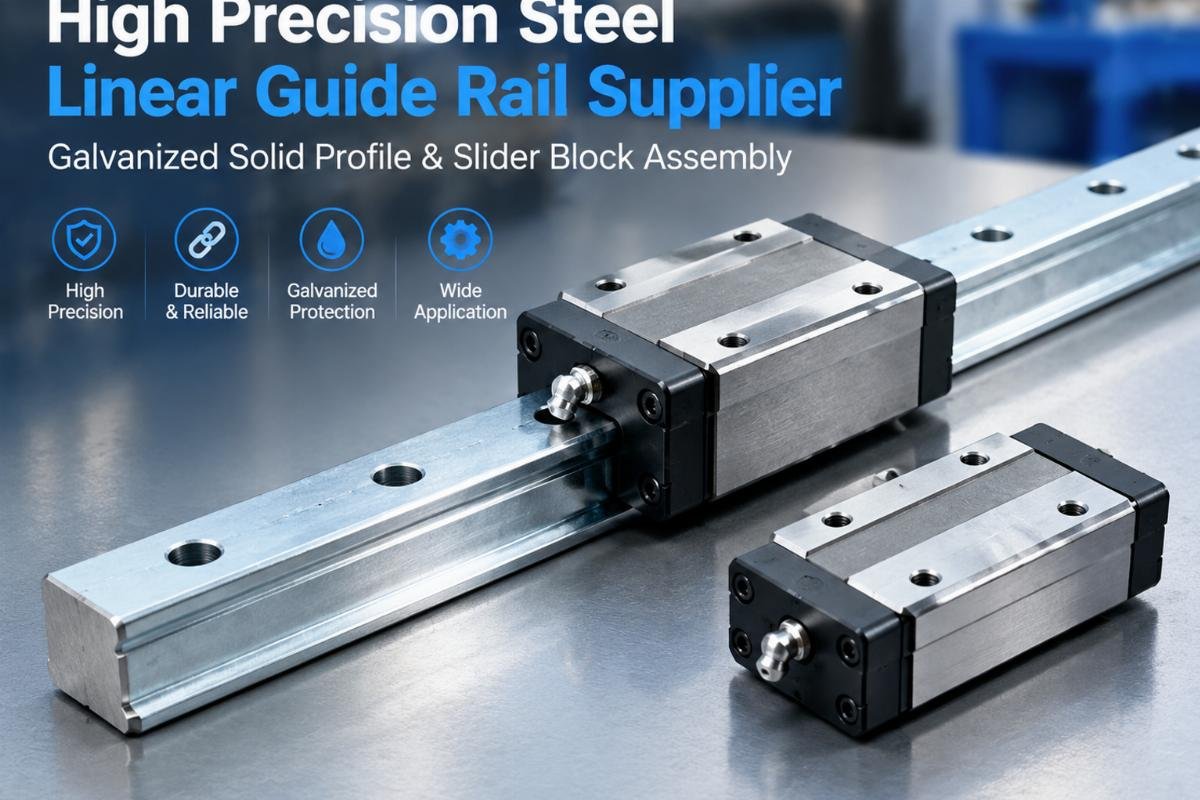
High Precision Steel Linear Guide Rail — Gcr15 bearing steel construction with galvanized surface treatment provides high corrosion resistance for continuous automation operations.
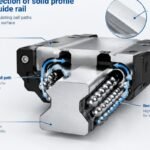
- Solid profile structure ensures low noise and smooth motion across 100-4000mm custom lengths.
- CE, RoHS, and ISO 9001:2000 certified for global industrial equipment integration.
We verify strict cross-reference alignment of specification codes, dimensional tolerances, and load ratings before dispatch.
Original Packaging
Factory sealed
Batch Traceability
Per-piece tracking
Pre-Ship Inspection
Photo & video proof
12-Month Warranty
Quality guaranteed
Technical Specifications
| Bearing Type | Linear Guide Rail |
|---|---|
| Condition | New -- Original Packaging |
Need this bearing?
Get a verified quotation
Pricing, stock photos & batch codes — reply within 24 hours.
- Original packaging & batch codes
- Photo & video before shipment
- Mixed-brand orders welcome
Product Description
Traceable QR Verification — Every linear motion component ships with scannable authenticity tags linked to original manufacturing batch records.
Technical Specifications
| Parameter | Value |
|---|---|
| Product Type | Linear Guide Rail |
| Material Options | Gcr15 bearing steel or stainless variants |
| Surface Treatment | Galvanized finish for high corrosion resistance |
| Profile Structure | Solid profile design |
| Certifications | CE, EPA, ISO 9001:2000, RoHS |
| Performance Traits | Low noise operation, very smooth movement |
| Available Series | Egh, Egw, HGH, Hgw, Mgn, Mgw formats |
| Origin | Shandong, China |
Application Suitability
| Industry | Typical Applications |
|---|---|
| Industrial Automation | Multi-axis CNC gantry systems and robotic pick-and-place arms |
| Packaging Machinery | High-speed conveyor sorting gates and form-fill-seal actuators |
| Medical Equipment | Precision CT scanner patient tables and automated laboratory analyzers |
| Electronics Manufacturing | SMT placement machine heads and cleanroom wafer transfer units |
Why Automated Assembly Lines Fail When Your high precision steel linear guide rail supplier Ignores Preload Matching
Mismatched preload classes cause rapid thermal expansion and block seizure long before the steel itself fatigues.
I spent years doing failure analysis in Qingdao, and I still see automation builders ruin perfectly good machines by specifying medium preload when light preload was needed. The friction generates heat, the block jams, and the machined parts show severe vibration marks. Choosing a reliable high precision steel linear guide rail supplier means getting technical alignment on operating speeds and load dynamics, not just buying a part number off a catalog.
Aligning Motion Components with Machine Dynamics
Selecting the right high precision steel linear guide rail supplier involves matching the carriage clearance to your specific vibration and load profile. Our engineering team cross-checks your machine’s acceleration rates and moment loads to recommend the exact slider block configuration. This prevents the common trap of over-engineering the rigidity, which only introduces unnecessary rolling resistance and premature wear in high-cycle automation environments.
Navigating Contamination and Continuous Cycling
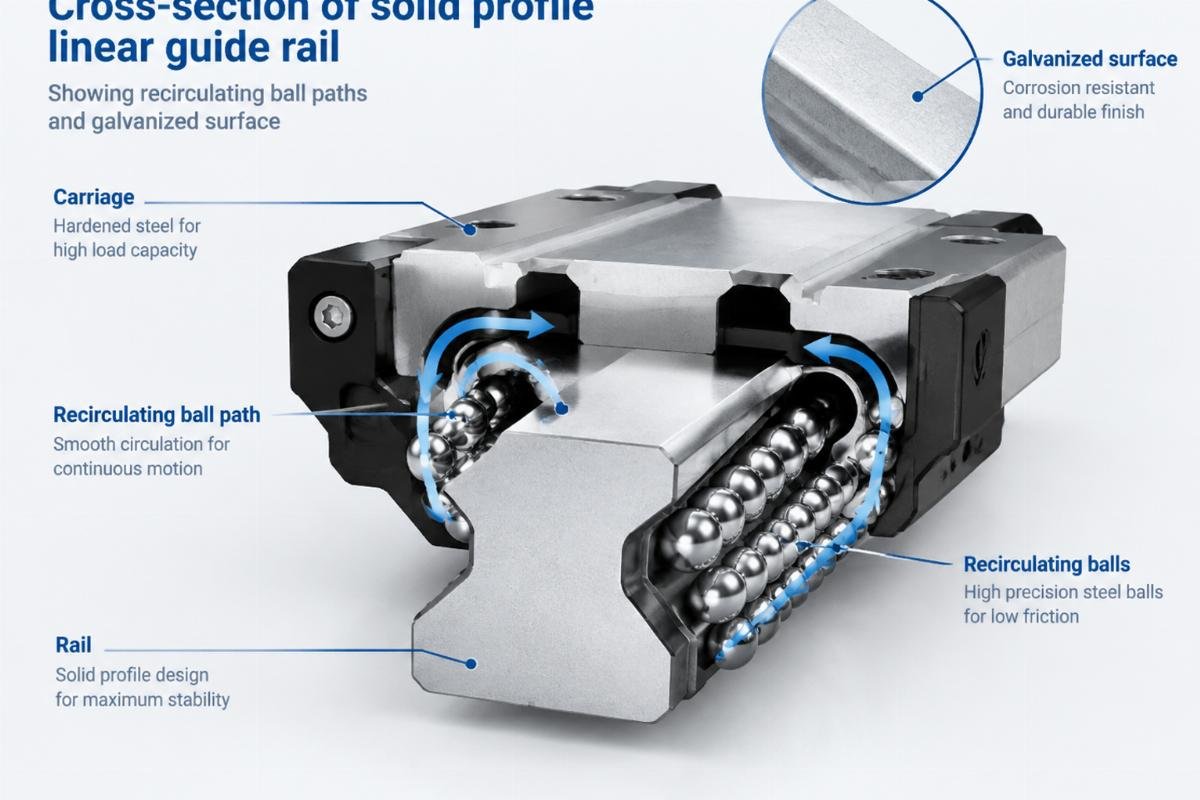
In packaging and electronics manufacturing, the guide rails face constant exposure to microscopic dust and rapid directional changes. Solid profile structures resist deflection under dynamic moment loads, while galvanized surface treatments provide a necessary barrier against ambient humidity and mild chemical splashes. Proper lubrication intervals are critical here; without automated re-lubrication systems, the recirculating ball paths can suffer from particle ingress, leading to pitting and increased acoustic noise during operation.
Decoding Material and Profile Options for Linear Motion
While Gcr15 bearing steel offers excellent structural durability and high load capacity for standard automation tasks, stainless steel variants are available for food processing or medical environments requiring frequent washdowns. The solid profile design ensures consistent rigidity along the entire travel length, minimizing harmonic resonance at high traverse speeds. Understanding the distinction between standard series like HGH for heavy radial loads versus MGN for compact, low-profile electronics assemblies is essential for optimizing the machine’s footprint and dynamic response.
The Cascading Effects of Incorrect Carriage Selection
Specifying an overly rigid block for a high-speed, low-load application generates excess friction heat, accelerating lubricant degradation and causing catastrophic damage to the rail surface. According to ISO 15243 frameworks for wear and surface distress, this thermal runaway often voids equipment warranties and results in unplanned downtime that far exceeds the initial component savings. A premature failure in a critical multi-axis system can halt an entire production line, making accurate initial specification a financial imperative.
Engineering Oversight Beyond the Part Number
We do not just ship boxes; we verify that the requested HGW or EGH series actually fits your machine’s moment load requirements. Our quality team checks dimensional inspection reports for rail straightness and block clearance tolerances before dispatch, catching manufacturing deviations that cause binding. We maintain massive spot inventory across mixed series, allowing us to consolidate urgent maintenance spares and bulk project orders into single shipments. Furthermore, we provide cross-brand equivalent model consultation to keep your legacy equipment running without waiting for obsolete OEM lead times.
Documentation & Authenticity
- Material test certificates verifying Gcr15 steel authenticity and traceability for each batch.
- Dimensional inspection reports confirming rail straightness and slider block clearance tolerances.
- ISO 9001:2000 and CE compliance documentation validating export readiness and quality management.
- Official QR authentication tags linking the physical component to original manufacturing records.
- Surface treatment verification ensuring galvanized coating thickness meets corrosion resistance specs.
Storage, Handling & Mounting
- Keep the galvanized rails in original VCI packaging until mounting to prevent white rust formation.
- Use clean lint-free gloves when handling MGN or HGH slider blocks to avoid sweat-induced corrosion.
- Align the solid profile rails using precision dial indicators before final torqueing to prevent binding.
- Apply specified lithium-based grease to the recirculating ball paths if the automated lubrication system is delayed.
- Store custom-length rails horizontally on flat supports to prevent gravitational bowing of the Gcr15 steel.
Preparing Your Technical Requirements for Review
To ensure accurate sizing, please provide your equipment’s maximum radial and axial loads, travel speed, and required rigidity class. Detail the operating environment, including exposure to dust, moisture, or washdown chemicals, so we can confirm the optimal material and surface treatment. Sharing the OEM equipment model or existing guide rail dimensions allows our engineering team to perform exact cross-referencing and recommend the correct carriage preload.
Frequently Asked Questions
Q: How do I choose between HGH, HGW, and MGN series for my automation equipment?
A: The selection depends on your spatial constraints and load characteristics. HGH series offers high rigidity for heavy radial loads, HGW provides a wider, lower profile for moment load stability, and MGN is ideal for compact electronics manufacturing. Share your load data and mounting space with our team for a precise recommendation.
Q: What causes premature failure in continuous industrial automation guide rails?
A: Common failure modes include thermal seizure from incorrect preload selection, surface pitting due to particle contamination, and fatigue spalling from exceeding dynamic load limits. Regular lubrication and matching the carriage clearance to the application’s speed and load profile are critical to preventing unplanned downtime.
Q: Should I select Gcr15 bearing steel or stainless steel for food processing machines?
A: Gcr15 with galvanized treatment suits standard environments, but food processing often requires frequent washdowns with aggressive cleaning agents. Stainless steel variants offer substantially higher corrosion resistance for these conditions. We evaluate your specific sanitation protocols to recommend the most durable material option.
Q: What information is needed to order custom-length linear guide rails?
A: Please provide the exact required travel length, overall rail length, and the number of slider blocks per rail. Additionally, specify the mounting hole spacing and any special end-cut requirements. This ensures the custom-length components integrate flawlessly into your machine design without modification.
Q: How can I verify the authenticity and quality of the received linear guides?
A: Every shipment includes material certificates, dimensional inspection reports, and scannable QR tags for batch traceability. You can verify the Gcr15 steel authenticity and check the straightness tolerances against the provided documentation, ensuring the components meet ISO 9001:2000 standards before installation.
Inspection Records
- Dimensional measurement report
- Radial clearance verification
- Noise level check (Z-grade)
- Batch code & serial number log
Packaging Photos
- Sealed original box photos
- Label & marking close-ups
- Bearing surface detail shots
- Video walkthrough on request
Certificate of Origin
- Certificate of origin (CO)
- Commercial invoice & packing list
- Fumigation certificate (if required)
- Full export documentation set
All documents are prepared and sent for your review before shipment. You approve the inspection results before we ship. Additional testing or documentation can be arranged upon request.
How to Identify Genuine Bearings
Check the Packaging
Genuine bearings come in sealed, tamper-evident packaging with consistent print quality. Look for holographic seals, QR codes, and batch numbers that match the bearing markings.
Inspect the Markings
Genuine markings are laser-engraved with uniform depth and spacing. Counterfeit bearings often have uneven, shallow, or ink-printed markings that smudge or wear off easily.
Feel the Finish
Genuine bearings have a smooth, uniform surface finish. Rough grinding marks, uneven chamfers, or visible machining defects indicate poor-quality or counterfeit products.
Spin Test
When spun by hand, a genuine bearing rotates smoothly with minimal noise. Excessive vibration, rough spots, or grinding sounds suggest defective or refurbished products.
Common Counterfeit Warning Signs
- Price significantly below market average -- if it seems too good to be true, it usually is
- Packaging with spelling errors, blurry logos, or incorrect color tones
- Missing or non-verifiable batch codes and serial numbers
- Excessive or unusual grease -- used to mask surface defects
- Supplier unwilling to provide pre-shipment inspection or documentation
Free Authenticity Review
Already holding a bearing you doubt? Send us clear photos of the packaging, markings, and bearing surface. Our team will assess authenticity at no charge.
Send Photos for Review// same series
Related Products
 Linear Guide Rail
Mgn12 Mgn12h Mgn15h Miniature Linear Motion Guide Rail with Block [WARN] draft identifier mismatch
View details Linear Guide Rail
Mgn7h Mgn9h Mgn12h Mgn15h Micro Linear Guide Rail for 3D Printers
View details Linear Guide Rail
HGH30ca Hgw30cc Linear Guide Rail Bearing Blocks Linear Motion Phg30mm
View details Linear Guide Rail