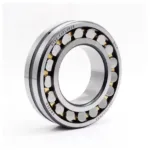
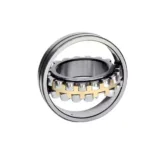
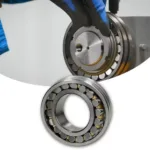
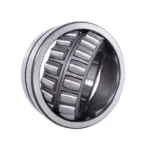
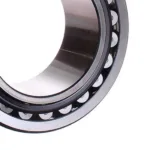

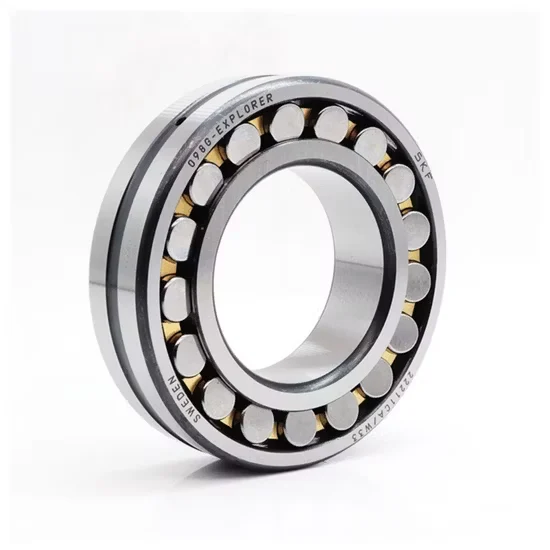
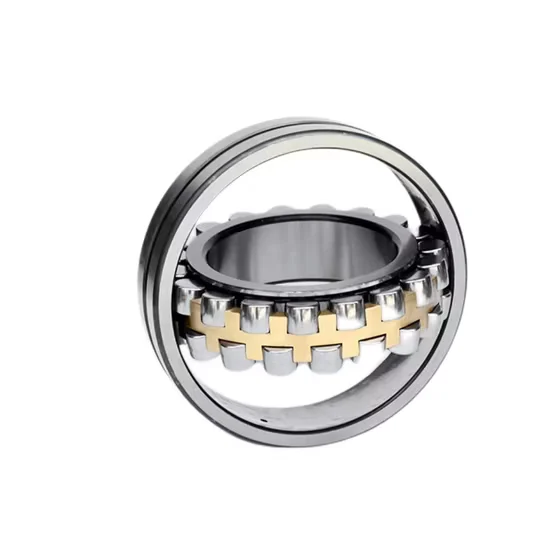
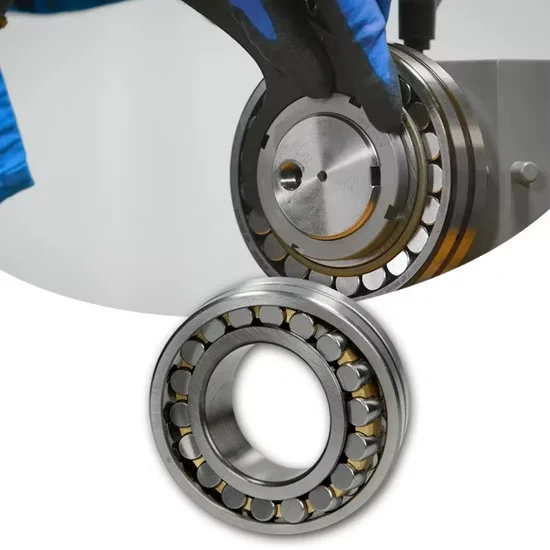
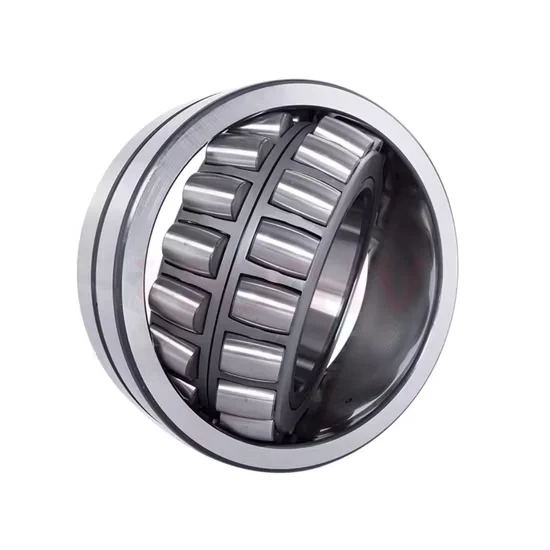
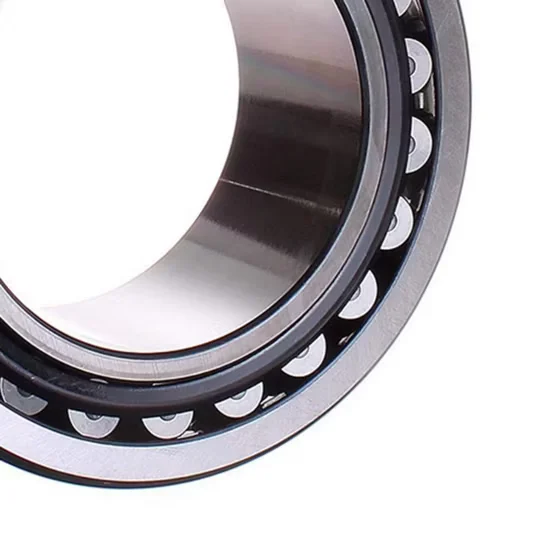
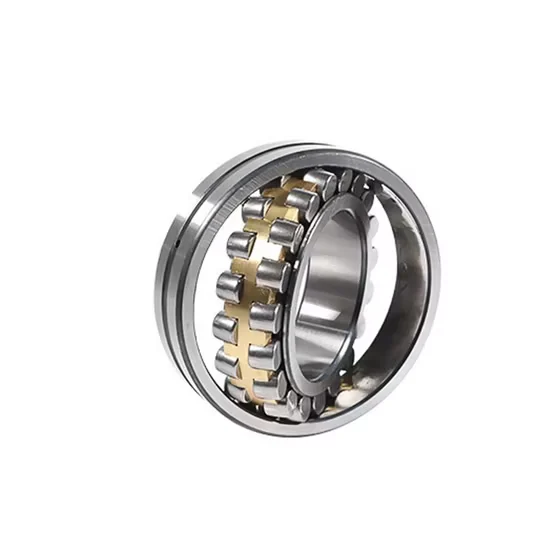

22228 22228c 22228K Self Aligning Spherical Roller Bearings Wholesale Supply
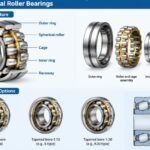
22228 Spherical Roller Bearing features a double-row self-aligning roller structure manufactured from GCr15 chrome steel, delivering consistent performance under heavy radial loads and significant shaft misalignment in harsh industrial environments.
- Widely applied in mining machinery, metallurgy equipment, and heavy-duty vibrating screens.
- Always verify product authenticity through official brand QR scanning apps prior to installation.
Original Packaging
Factory sealed
Batch Traceability
Per-piece tracking
Pre-Ship Inspection
Photo & video proof
12-Month Warranty
Quality guaranteed
Technical Specifications
| Bearing Type | Self Aligning Roller Bearing |
|---|---|
| Condition | New -- Original Packaging |
Need this bearing?
Get a verified quotation
Pricing, stock photos & batch codes — reply within 24 hours.
- Original packaging & batch codes
- Photo & video before shipment
- Mixed-brand orders welcome
Product Description
Traceable Original Batches — Every 22228 spherical roller bearing ships with verifiable manufacturer lot codes matching the physical packaging.
Technical Specifications
| Parameter | Value |
|---|---|
| Designation | 22228 |
| Bearing Type | Spherical Roller Bearing |
| Number of Rows | Double-Row |
| Material | Chrome Steel GCr15 |
| Structure | Self-Aligning Roller |
| Bore Type | Cylindrical / 1:12 Tapered (K suffix) |
| Origin | Shandong, China |
Application Suitability
| Industry | Typical Applications |
|---|---|
| Mining | Vibrating screen exciter mechanisms, primary jaw crusher main shafts |
| Metallurgy | Continuous casting machine guide rolls, rolling mill gearboxes |
| Agriculture | Heavy-duty combine harvester threshing cylinders |
Why Standard Clearance Fails in Heavy-Duty 22228 Spherical Roller Bearing Applications
Thermal expansion under continuous heavy loads rapidly eliminates internal clearance, leading to catastrophic seizure.
I learned this the hard way in Brazilian mining sites when a standard clearance setup seized inside a primary jaw crusher due to unchecked thermal growth. The massive radial loads generated intense friction, and without the necessary C3 or C4 clearance to accommodate the heat, the internal gaps vanished completely. Selecting the right internal clearance is not a guesswork exercise but a strict requirement dictated by operational heat and load.
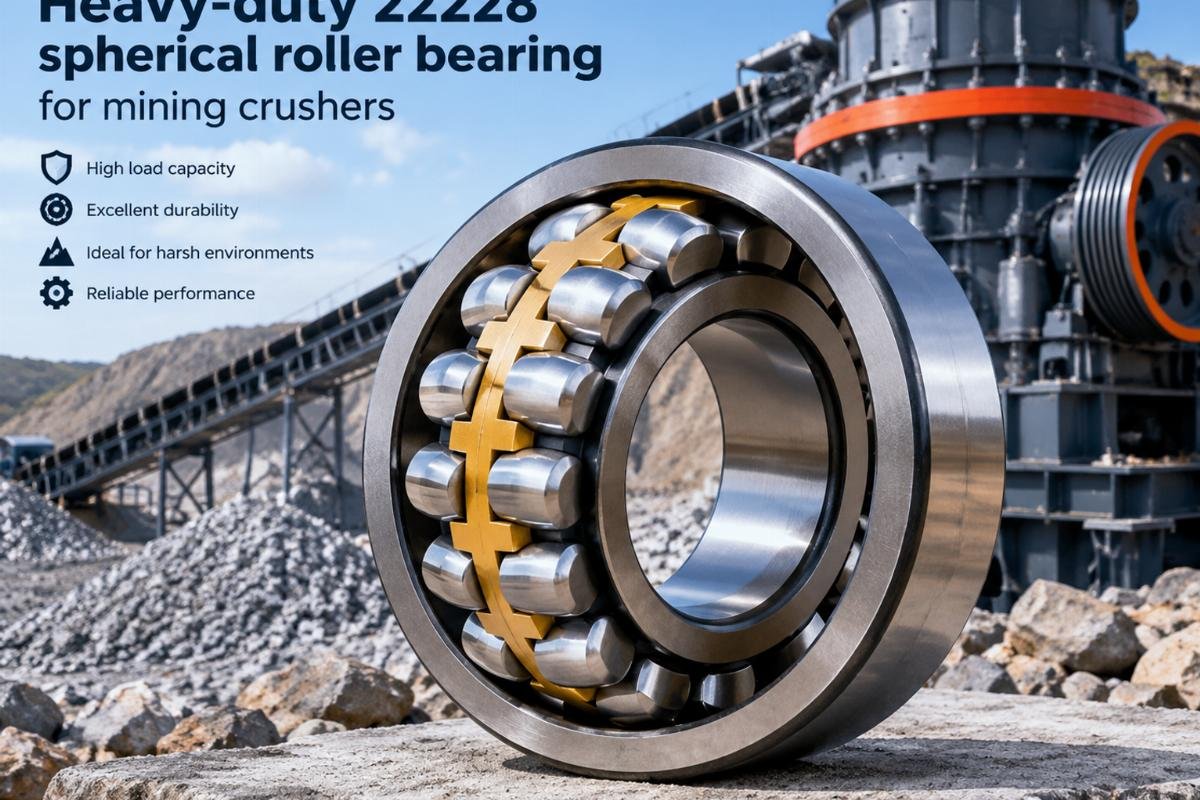
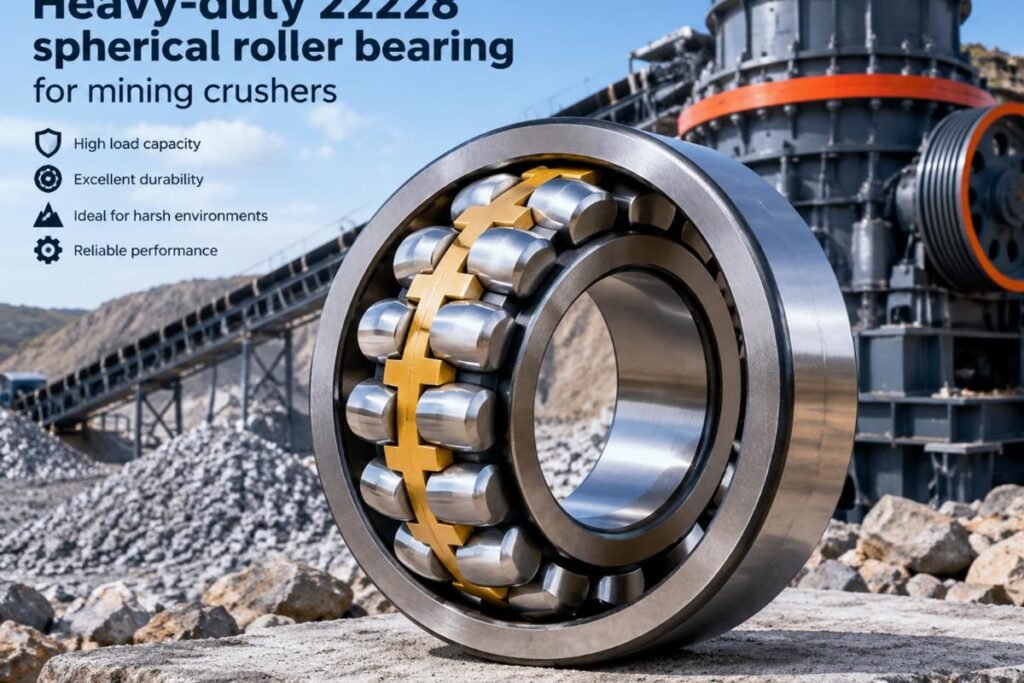
Aligning Misalignment in Severe Industrial Environments
The double-row self-aligning structure of the 22228 spherical roller bearing naturally compensates for shaft deflections and housing misalignments common in heavy machinery like vibrating screens and rolling mills. Our engineering team cross-references your specific housing tolerances to ensure the self-aligning capability is fully utilized without overloading the rolling elements. This structural advantage is critical for extending service life in equipment where foundation settling or shaft bending is unavoidable.
Managing Shock Loads and Contaminated Environments
Mining and metallurgy equipment subjects bearings to extreme shock loads and severe particulate contamination that standard seals struggle to repel. Elevated operating temperatures drastically alter the lubrication film thickness, demanding careful consideration of grease selection and relubrication intervals to prevent metal-to-metal contact. Without adequate sealing solutions or proper clearance adjustments, abrasive dust ingress accelerates wear and triggers premature spalling on the raceways.
Decoding Bore Types and Suffix Variations
The base 22228 designation features a standard cylindrical bore for direct shaft mounting, suitable for applications with stable thermal conditions. When the K suffix is applied, it indicates a 1:12 tapered bore designed for secure mounting on adapter sleeves, which simplifies clearance adjustment during installation and removal. Understanding these bore distinctions prevents mounting errors and ensures the correct locking mechanism is used for your specific shaft design.
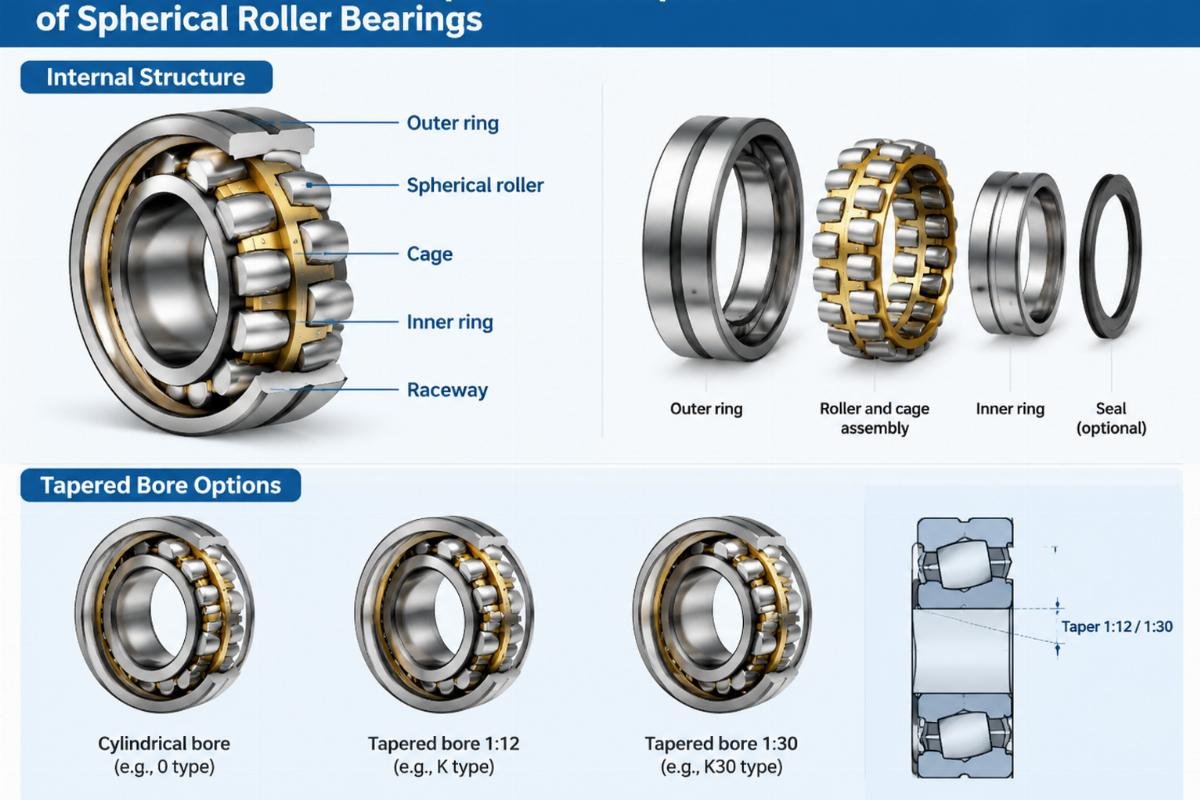
The Operational Toll of Incorrect Clearance and Bore Selection
Deploying a cylindrical bore bearing on a tapered shaft adapter, or ignoring thermal expansion when selecting clearance, results in unplanned downtime and catastrophic equipment damage. Such mismatches violate the operational boundaries outlined in ISO 15243 for rolling bearing damage classification, often manifesting as severe smearing or raceway fracturing. The resulting premature failure not only destroys the bearing but often causes severe secondary damage to the shaft and housing, multiplying the repair costs significantly.
Securing Genuine Components for Critical Machinery
Sourcing genuine 22228 units across multiple brands like KOYO, NTN, or NSK eliminates the risk of receiving counterfeit components that fail under heavy radial loads. We provide complete traceability documentation, ensuring the exact suffix variant you ordered matches the physical product and packaging. Our massive spot inventory covers both standard and K-tapered bore configurations, preventing project delays during urgent maintenance shutdowns. Furthermore, our technical team offers cross-brand equivalent model consultation if your preferred brand faces supply constraints, ensuring you never compromise on quality.
Documentation & Authenticity
- Certificate of Conformity verifying the exact 22228 designation and brand origin.
- Original manufacturer batch traceability codes matching the physical packaging labels.
- Official brand app QR verification support for KOYO, NTN, and NSK products.
- Material inspection reports confirming GCr15 chrome steel chemical composition.
- Dimensional and running accuracy inspection reports prior to dispatch.
Storage, Handling & Mounting
- Keep 22228 units in original moisture-proof packaging until mounting to prevent GCr15 steel corrosion.
- For K suffix tapered bore variants, strictly monitor drive-up distance to maintain residual clearance.
- Use induction heaters for cylindrical bore models, ensuring temperature limits for chrome steel are respected.
- Apply clean gloves during handling to prevent sweat-induced surface rust on precision-machined outer rings.
- Verify adapter sleeve lock nut torque to prevent the tapered bore from spinning under loads.
Engineering Data Required for Technical Review
To ensure the correct 22228 variant is selected, please share your operational parameters including radial and axial loads, rotational speed, and operating temperature. Providing the OEM equipment model number allows our team to perform precise cross-reference checks and L10 life recalculations. Specify your housing and shaft dimensions so we can confirm whether the cylindrical or 1:12 tapered bore is the optimal fit.
Frequently Asked Questions
Q: How do I choose between the standard cylindrical bore and the 1:12 tapered K bore for my equipment?
A: The standard cylindrical bore is pressed directly onto a machined shaft seat, while the K suffix indicates a 1:12 tapered bore designed for use with adapter sleeves. Adapter sleeves simplify mounting and allow for precise internal clearance adjustment during installation. Your choice depends entirely on the existing shaft design and the required maintenance flexibility for your specific application.
Q: What does the unverified “c” suffix mean in the 22228c or 22228ck variants?
A: The “c” suffix in these designations is currently unverified and requires direct confirmation from the specific manufacturer’s official catalog. It may denote a specific cage design, internal clearance, or special manufacturing tolerance depending on the brand. Always request technical clarification from the supplier before ordering variants with this specific suffix to ensure it matches your equipment requirements.
Q: How can I verify the authenticity of KOYO, NTN, or NSK bearings using official tools?
A: Most premium brands provide official mobile applications equipped with QR code scanning features to verify product authenticity. By scanning the unique QR code printed on the original packaging, you can instantly confirm the manufacturing batch, origin, and distribution channel. We fully support and encourage buyers to perform these official app verifications upon receiving their shipments.
Q: What are the critical lubrication considerations for double-row spherical roller bearings in mining applications?
A: Mining environments introduce severe particulate contamination and heavy shock loads, demanding lubricants with high film strength and excellent anti-wear additives. The relubrication interval must be calculated based on the operating temperature, speed, and contamination level to flush out abrasive particles. Using the correct grease viscosity ensures the rolling elements maintain an adequate protective film under extreme radial loads.
Q: How do we perform cross-reference alignment when replacing OEM bearings with different brands?
A: Cross-referencing involves matching the base designation, internal clearance class, cage material, and bore type across different manufacturer catalogs. While the basic dimensions remain standardized, internal design variations like roller profiling or cage guidance can affect performance. Our engineering team reviews these specific technical parameters to ensure the replacement unit meets or exceeds the original equipment specifications.
Inspection Records
- Dimensional measurement report
- Radial clearance verification
- Noise level check (Z-grade)
- Batch code & serial number log
Packaging Photos
- Sealed original box photos
- Label & marking close-ups
- Bearing surface detail shots
- Video walkthrough on request
Certificate of Origin
- Certificate of origin (CO)
- Commercial invoice & packing list
- Fumigation certificate (if required)
- Full export documentation set
All documents are prepared and sent for your review before shipment. You approve the inspection results before we ship. Additional testing or documentation can be arranged upon request.
How to Identify Genuine Bearings
Check the Packaging
Genuine bearings come in sealed, tamper-evident packaging with consistent print quality. Look for holographic seals, QR codes, and batch numbers that match the bearing markings.
Inspect the Markings
Genuine markings are laser-engraved with uniform depth and spacing. Counterfeit bearings often have uneven, shallow, or ink-printed markings that smudge or wear off easily.
Feel the Finish
Genuine bearings have a smooth, uniform surface finish. Rough grinding marks, uneven chamfers, or visible machining defects indicate poor-quality or counterfeit products.
Spin Test
When spun by hand, a genuine bearing rotates smoothly with minimal noise. Excessive vibration, rough spots, or grinding sounds suggest defective or refurbished products.
Common Counterfeit Warning Signs
- Price significantly below market average -- if it seems too good to be true, it usually is
- Packaging with spelling errors, blurry logos, or incorrect color tones
- Missing or non-verifiable batch codes and serial numbers
- Excessive or unusual grease -- used to mask surface defects
- Supplier unwilling to provide pre-shipment inspection or documentation
Free Authenticity Review
Already holding a bearing you doubt? Send us clear photos of the packaging, markings, and bearing surface. Our team will assess authenticity at no charge.
Send Photos for Review// same series
Related Products
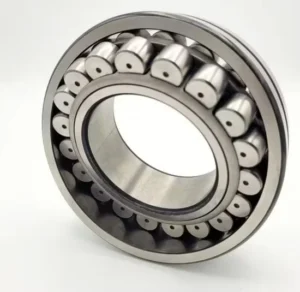 Self Aligning Roller Bearing
249/1060 Ca W33 Self-Aligning Roller Bearing 1500x1950x450mm [WARN] draft identifier mismatch
View details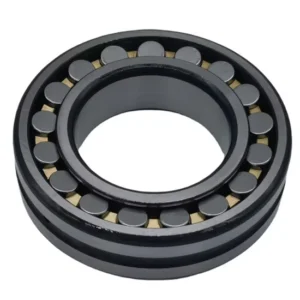 Self Aligning Roller Bearing
231/560ca/W33 Double Row Self-Aligning Roller Bearing
View details Self Aligning Roller Bearing
29426 29426E 29426M Spherical Roller Thrust Bearing for Heavy Machinery [WARN] draft identifier mismatch
View details Self Aligning Roller Bearing